photo

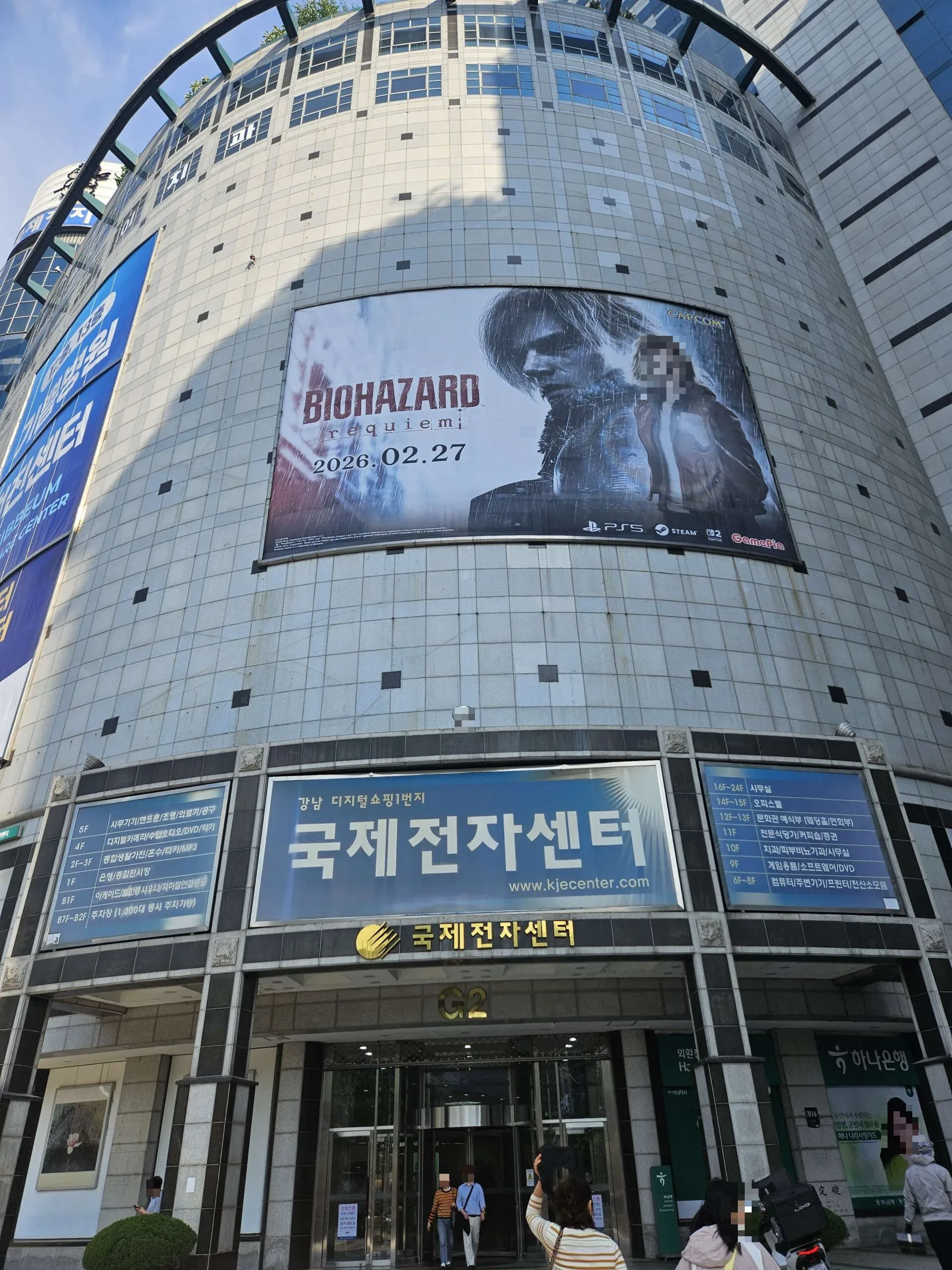
Hi, it’s Solyn. This time we went to Gukje (Kukje) Electronics Center.

Most travel guides will send you to Myeongdong or Hongdae for shopping in Seoul. But if you grew up watching anime, collect figures, or just love the thrill of pulling random prizes from a machine — Seoul has a much weirder, much better secret tucked away near Nambu Bus Terminal.

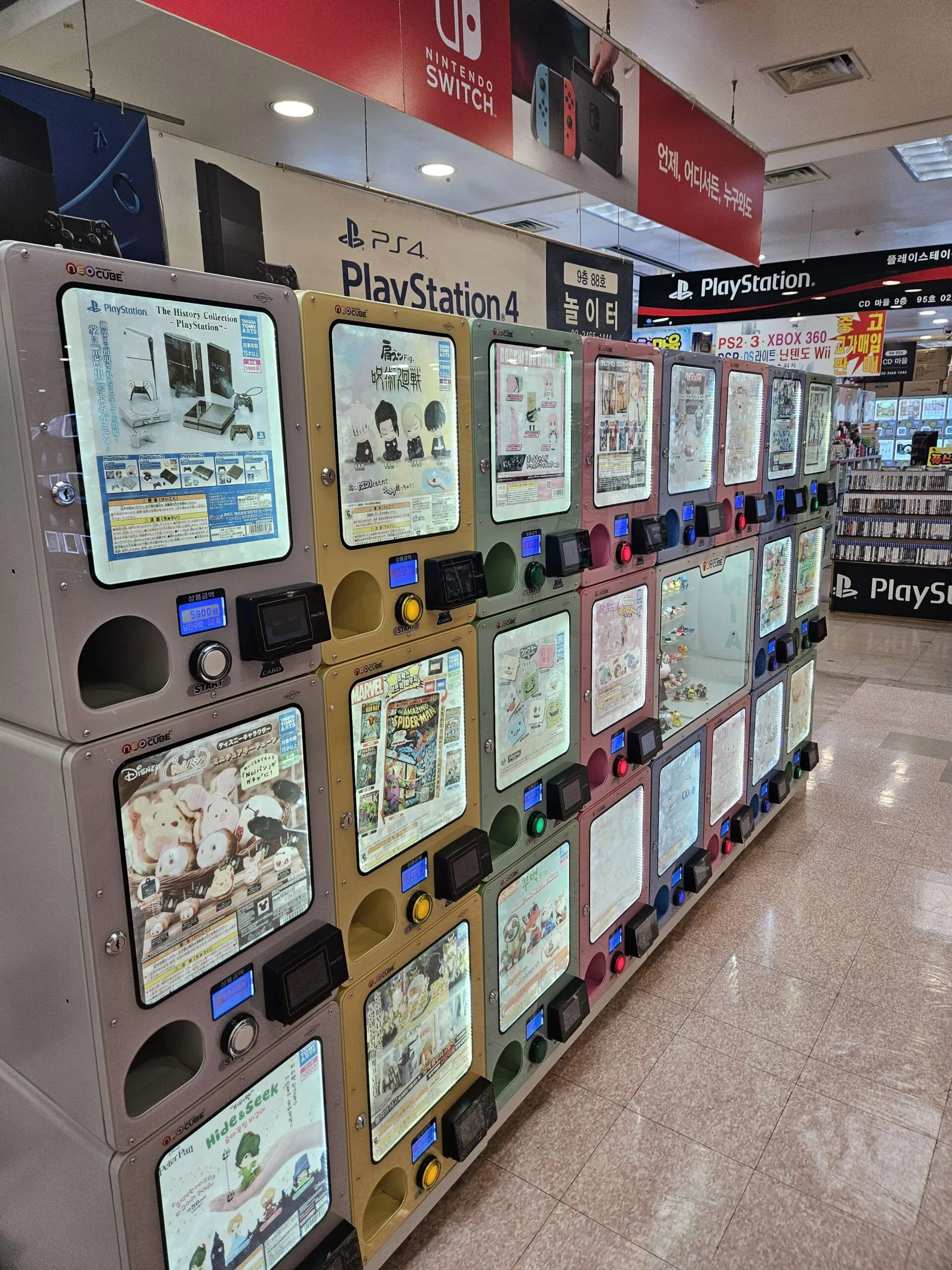
It’s called Gukje Electronics Center (국제전자센터), and what used to be a regular electronics mall has quietly transformed into eight floors of gacha machines, kuji prize stations, and anime figure shops. I spent an entire afternoon here and barely scratched the surface. Here’s everything you need to know before you go.


A quick history (because the building deserves it)

When I was a kid, Gukje Electronics Center actually lived up to its name. Each floor had its own concept — one was all audio equipment, one was games, one was computer parts. Like a department store, but for electronics nerds.

photo

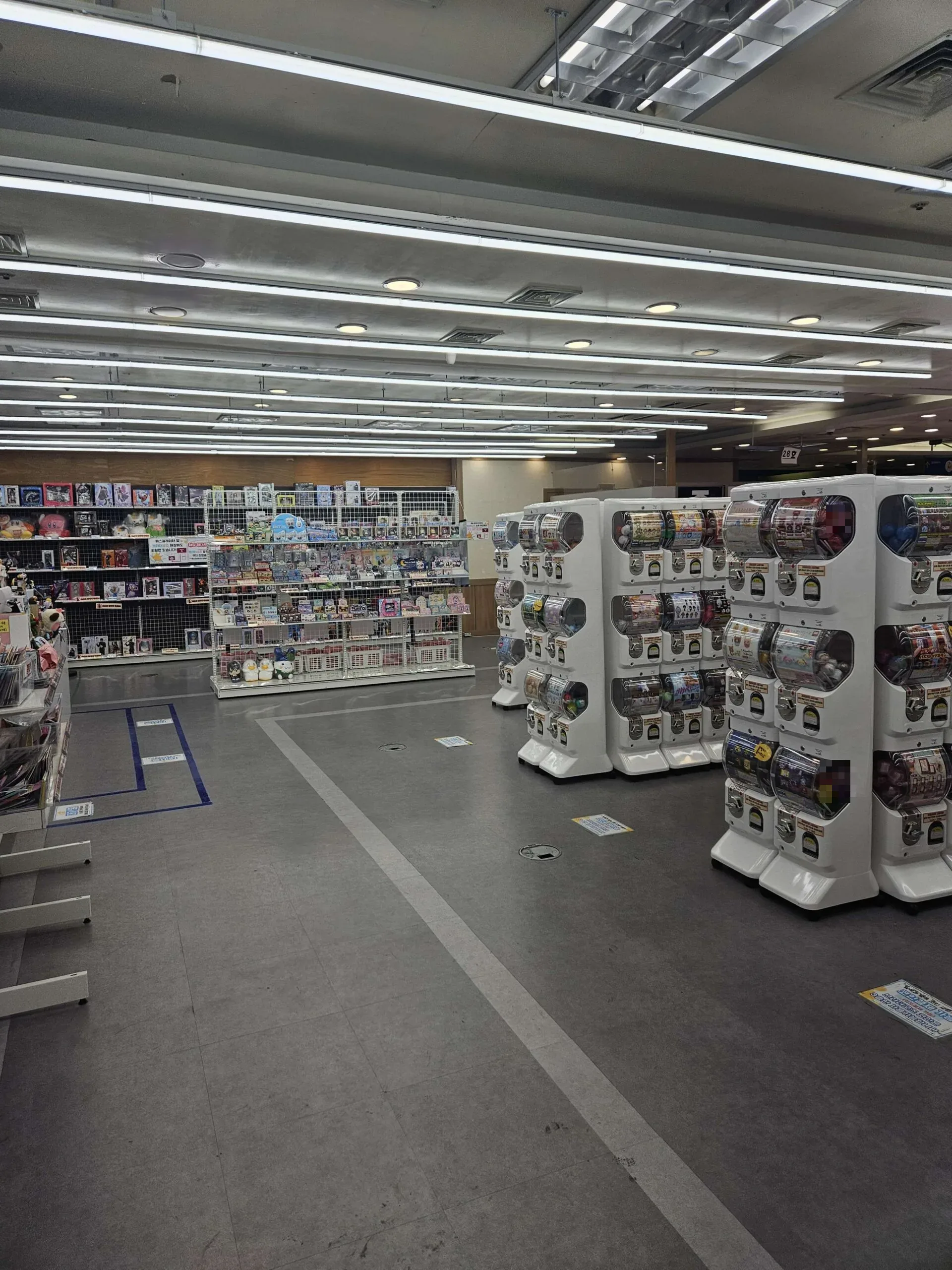
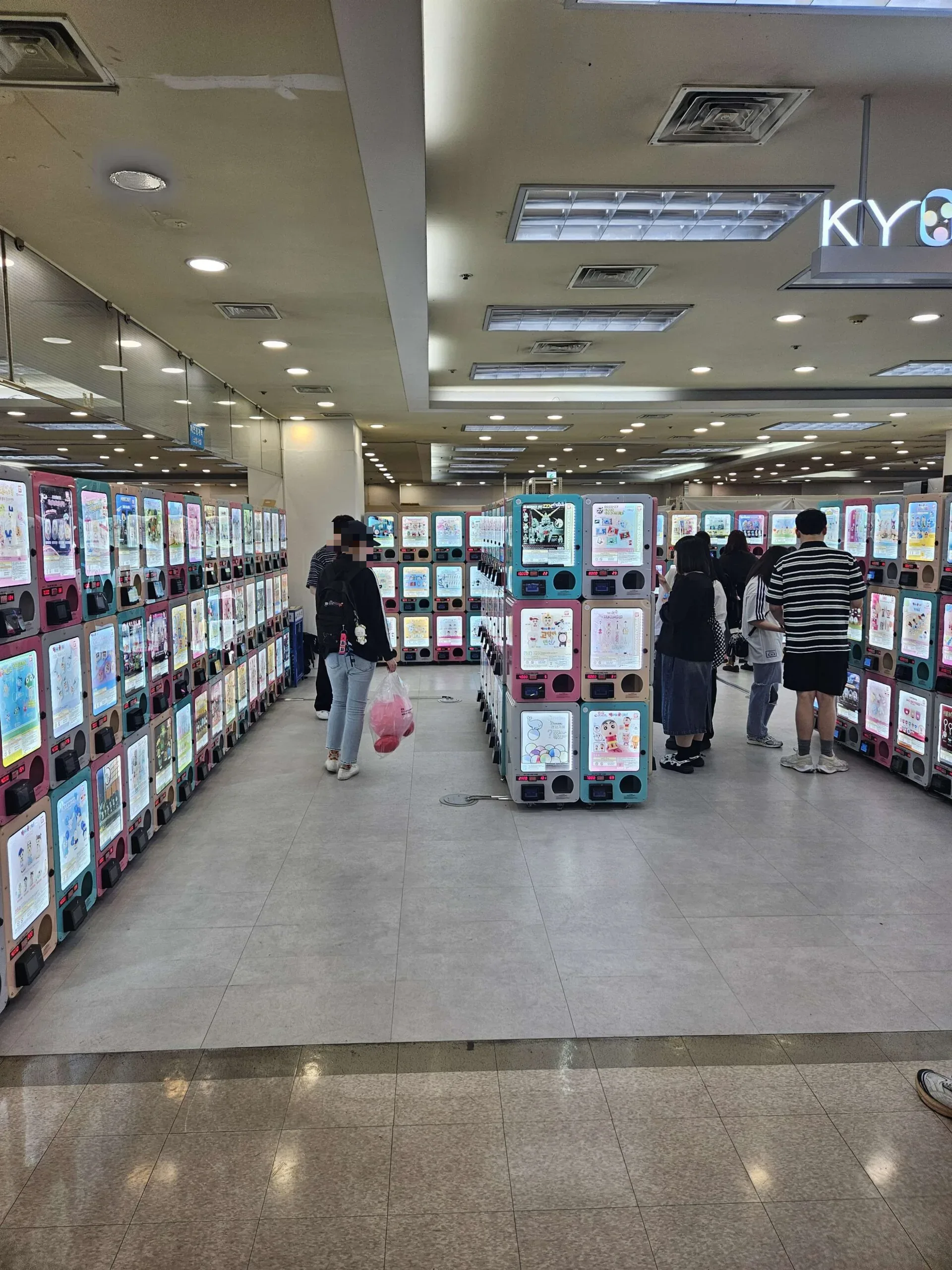
Walk in today and that’s mostly gone. From the second floor up to the ninth, almost every shop has been replaced by gacha (캡슐 뽑기) machines and kuji (쿠지) prize lottery stations.

photo

It’s a little melancholic if you remember the old version. But also? It’s kind of perfect. Gacha is having a moment in Korea right now, and this building is ground zero.


How to get there

The location is what makes this a no-stress day trip. Gukje Electronics Center sits less than 1 kilometer from Nambu Bus Terminal Station (남부터미널역, Line 3). If you’re already heading somewhere south of Seoul by intercity bus and have a few hours to kill — this is the obvious stop.

photo

⚠️ Plan around the Sunday closure. I learned this the hard way once.


The gacha floors (2F–8F): organized chaos

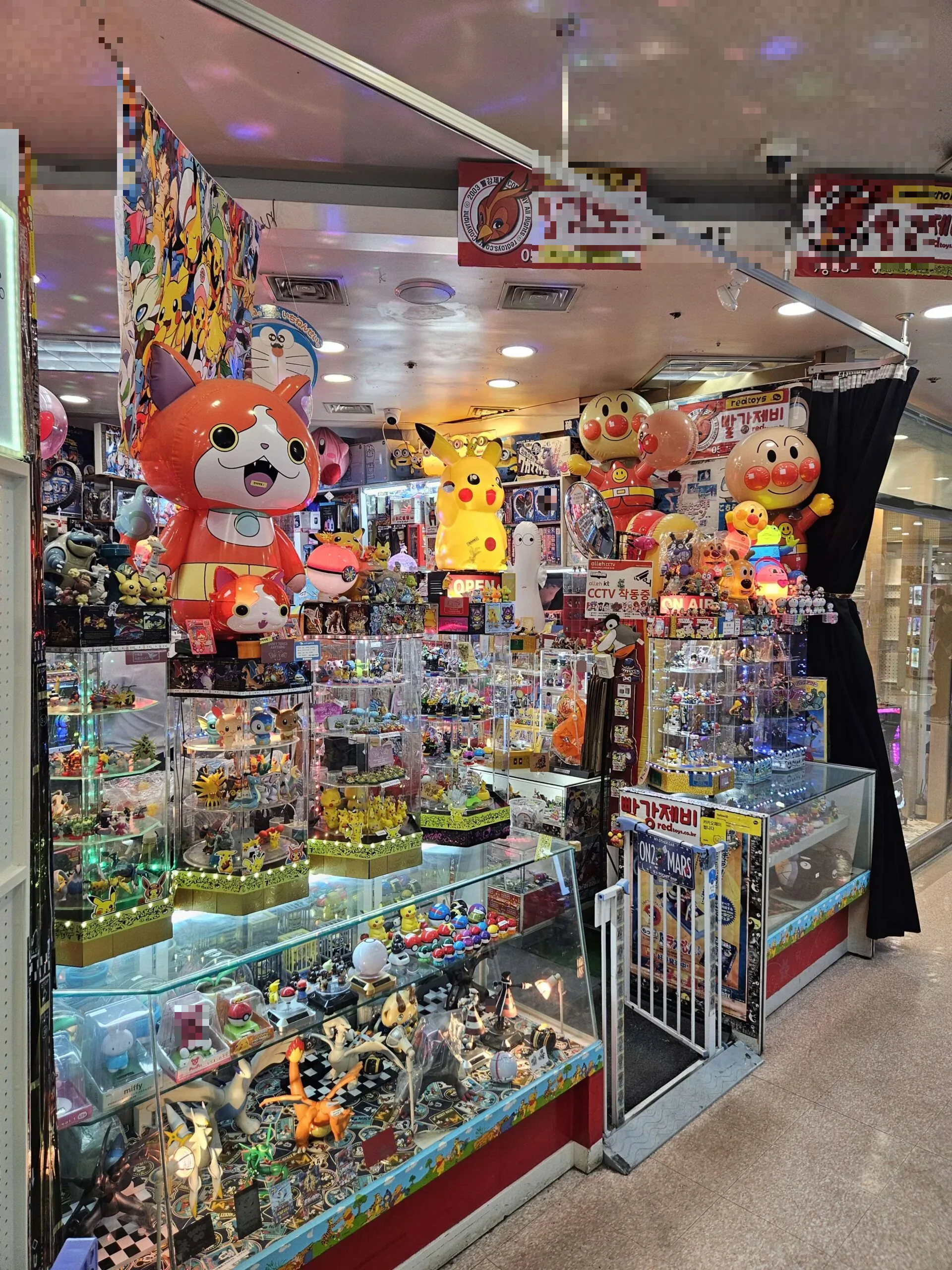
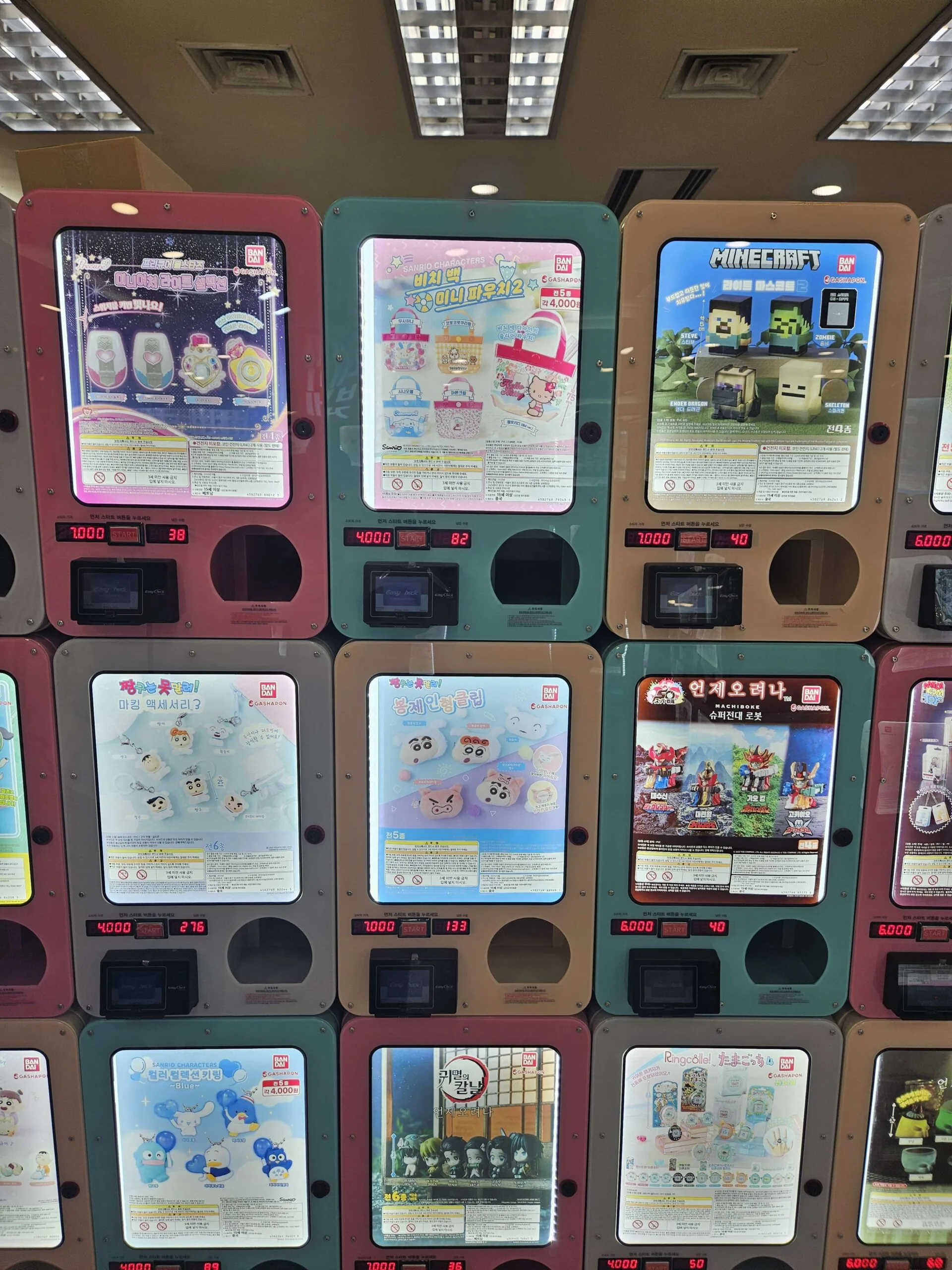
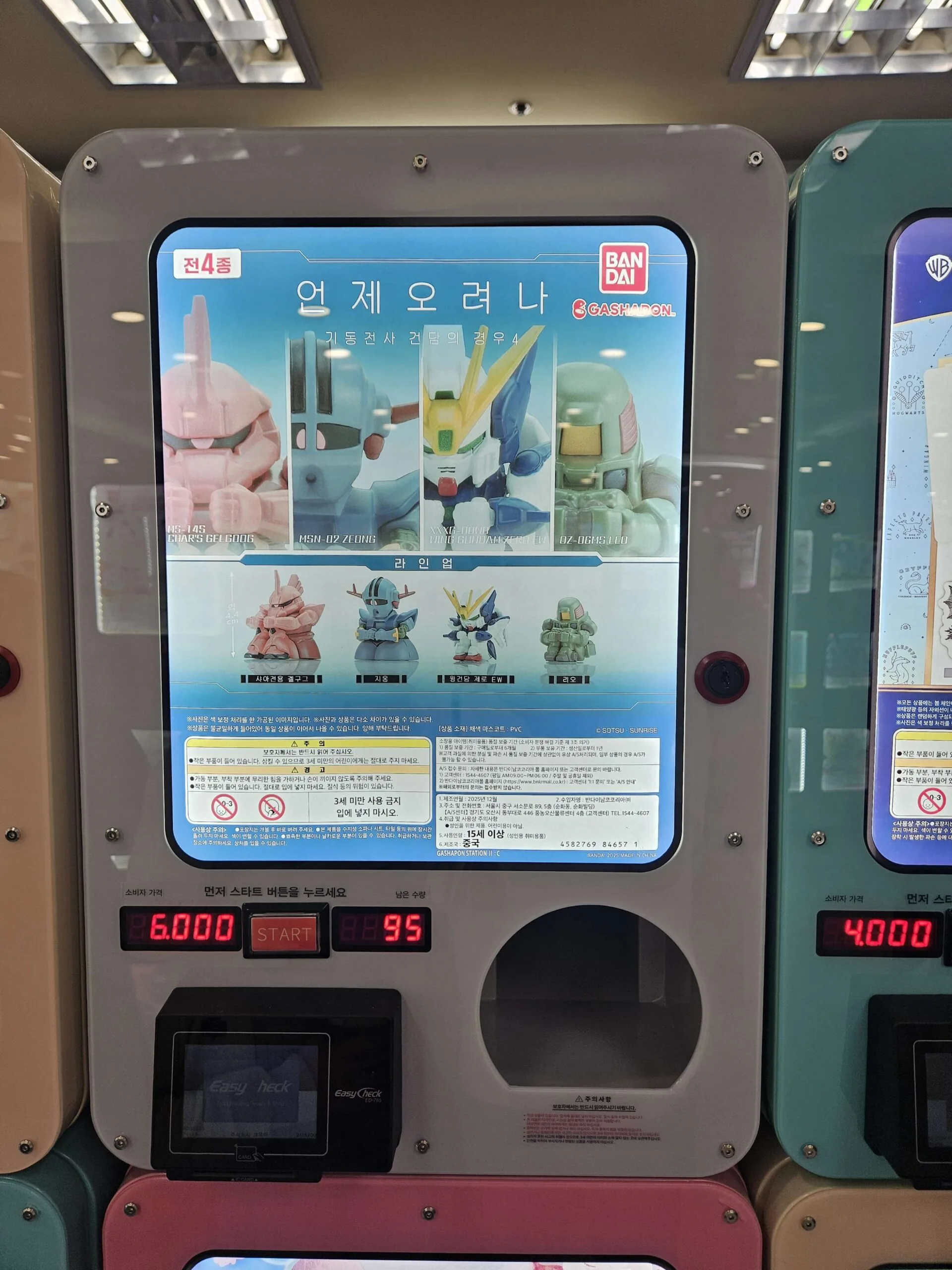
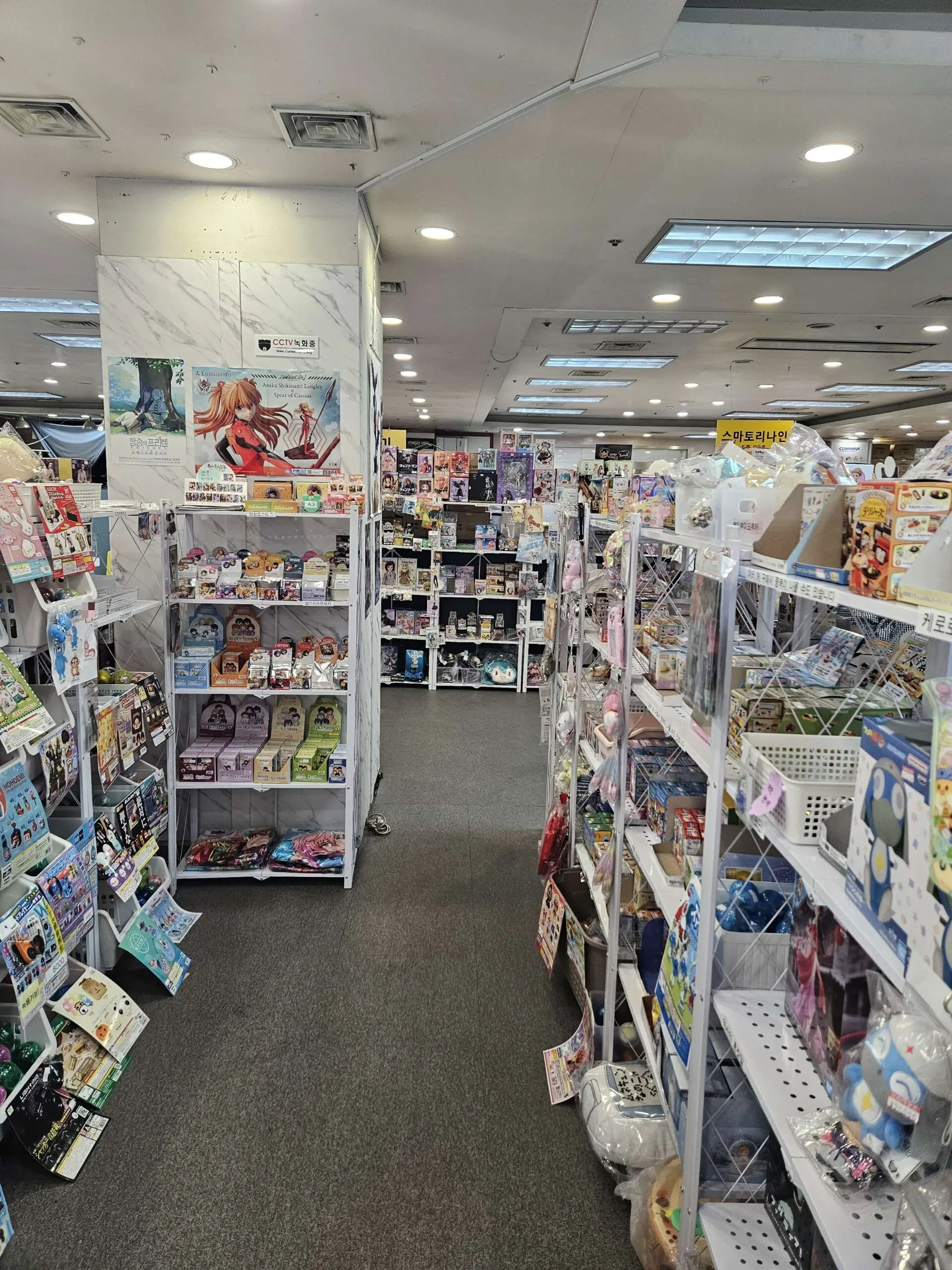
Each shop has its own micro-curation. One floor will be heavy on Sanrio and Pokémon. Another will be Gundam plamo and mecha keyrings. Then you’ll turn a corner and find a wall of K-pop photocard machines next to a Demon Slayer kuji booth.

photo

There’s no real map. That’s the point. You wander. You see something you didn’t know you wanted. You tap your card, and a capsule tumbles out.

photo

Some machines are pure nostalgia — Minecraft, Mario, old Bandai capsule lines — and some are the newest limited runs, still shrink-wrapped in the display window.

photo

Good news for foreign visitors: card payment works at nearly every machine now, and you rarely need coins the way you used to. That single change makes the whole place far smoother than it was a few years ago — just a handful of the smallest old-school stalls still ask for cash.

photo

Kuji (쿠지) — the part nobody warns you about

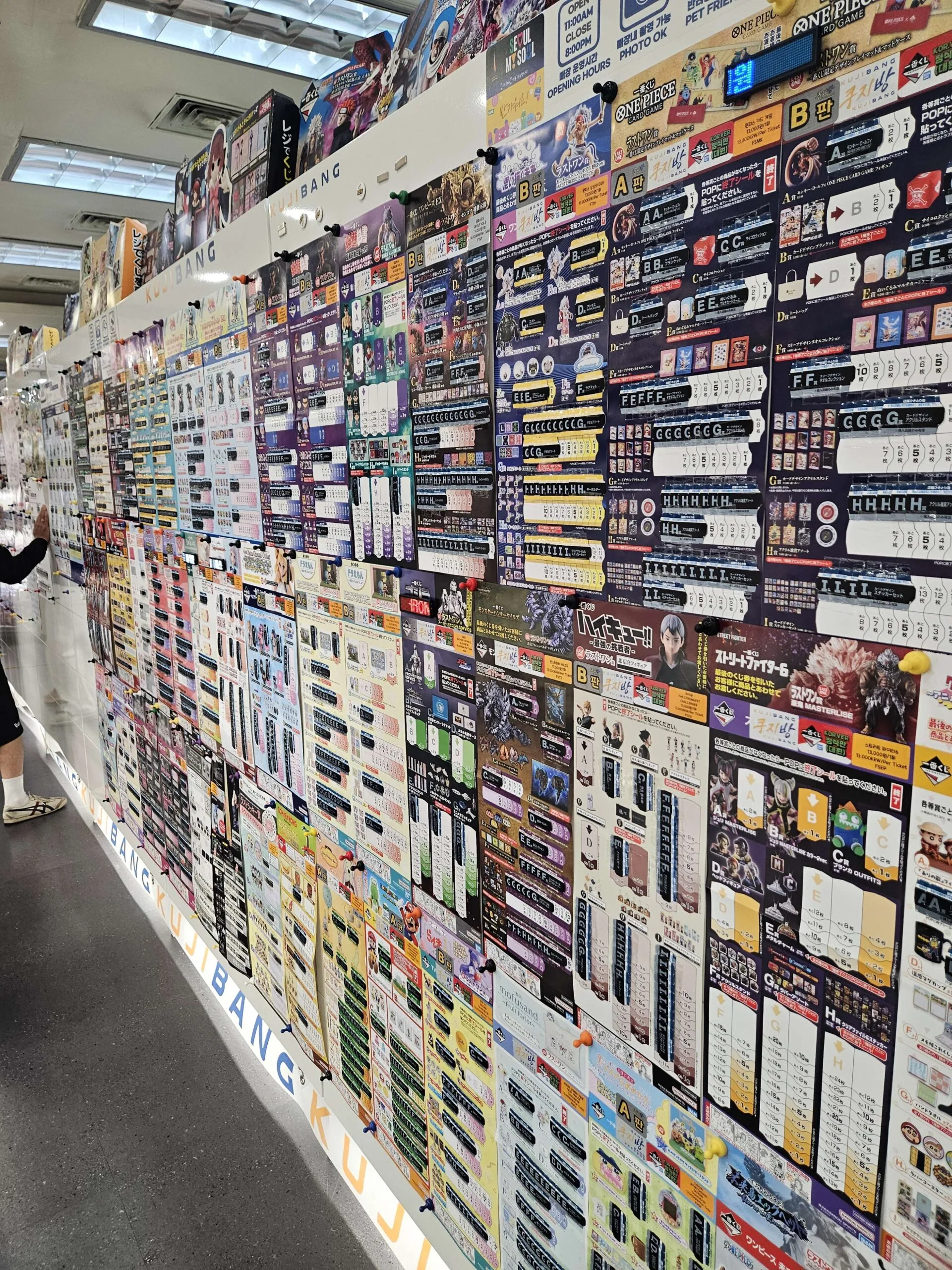
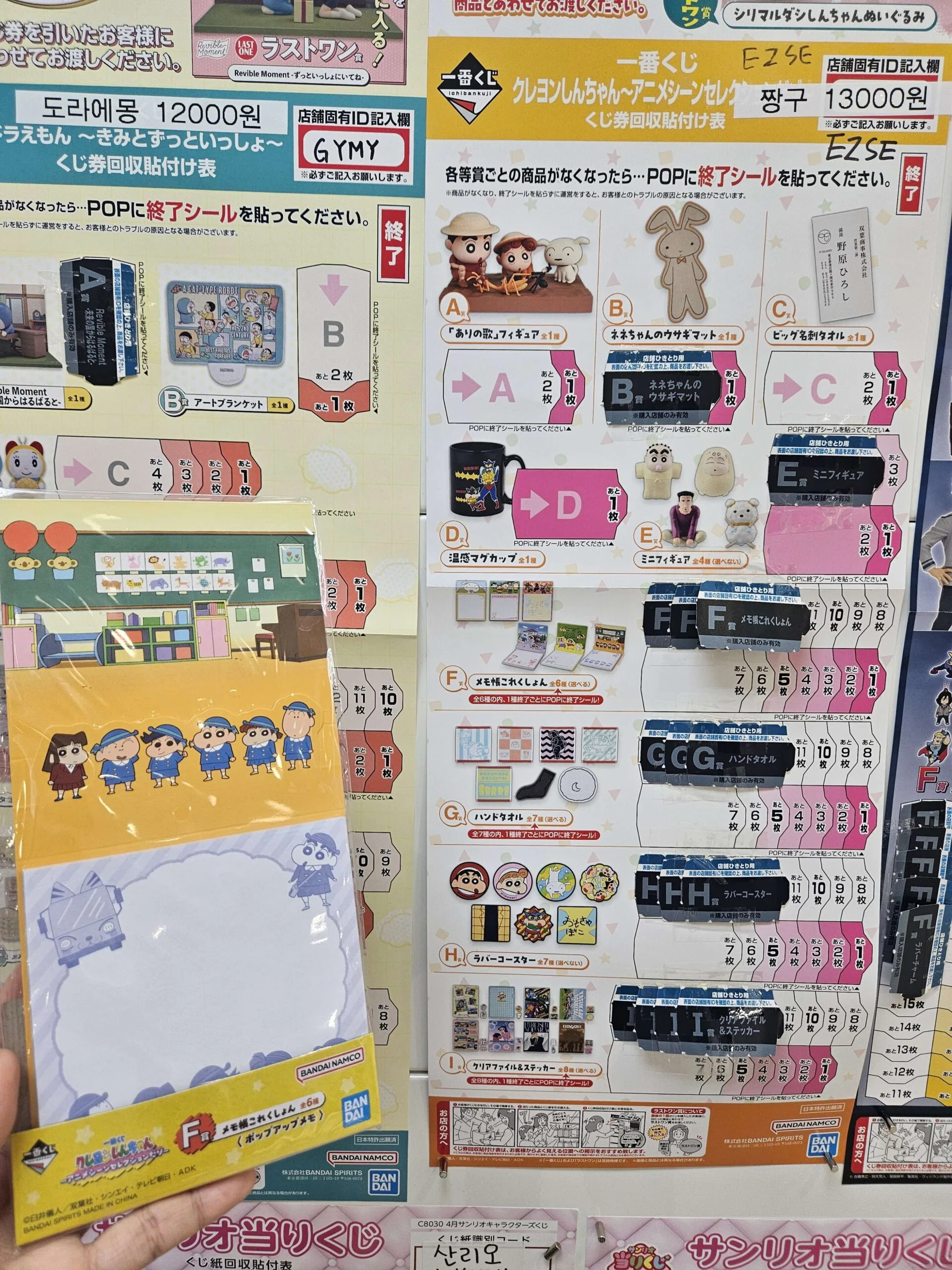
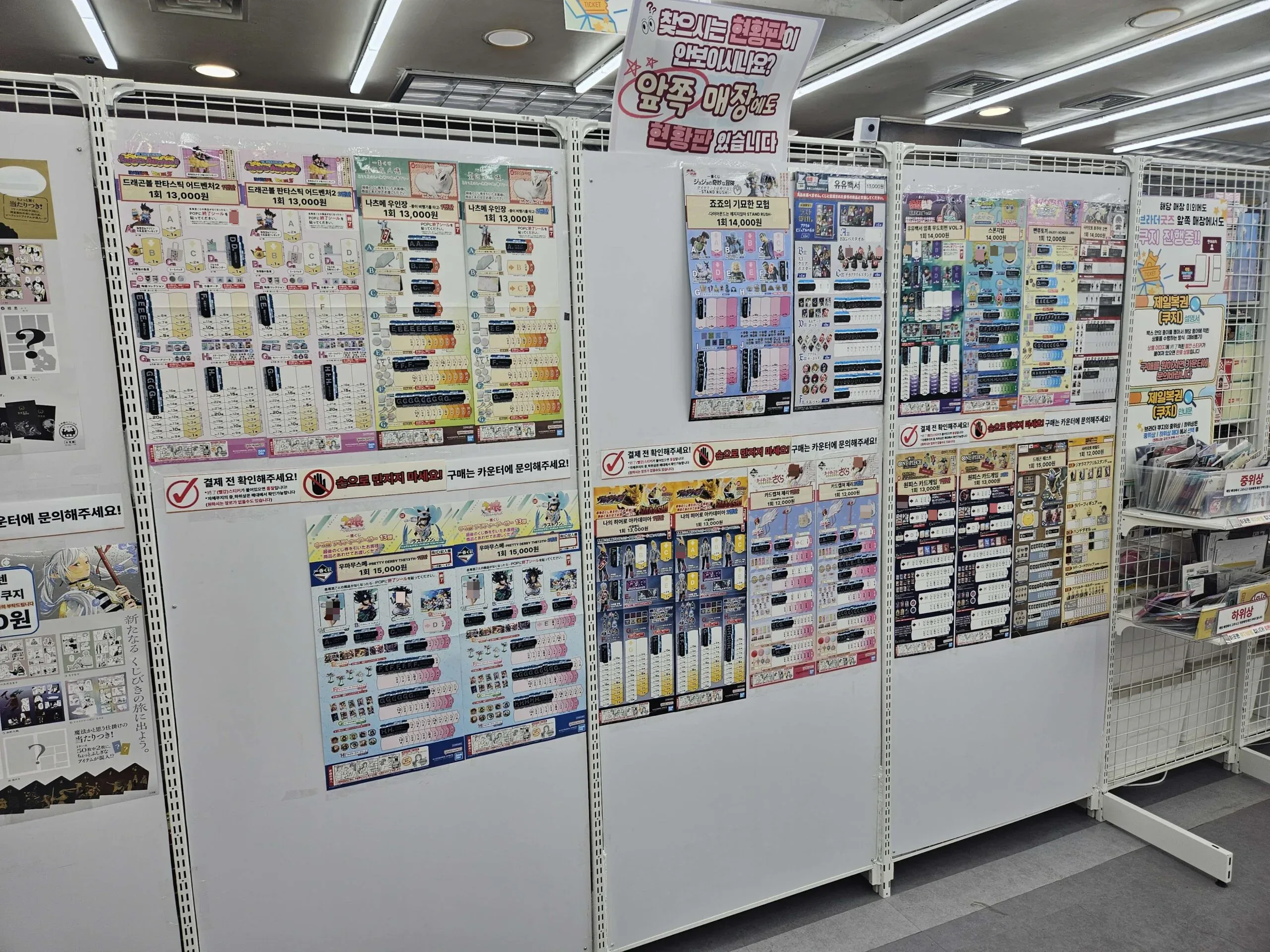
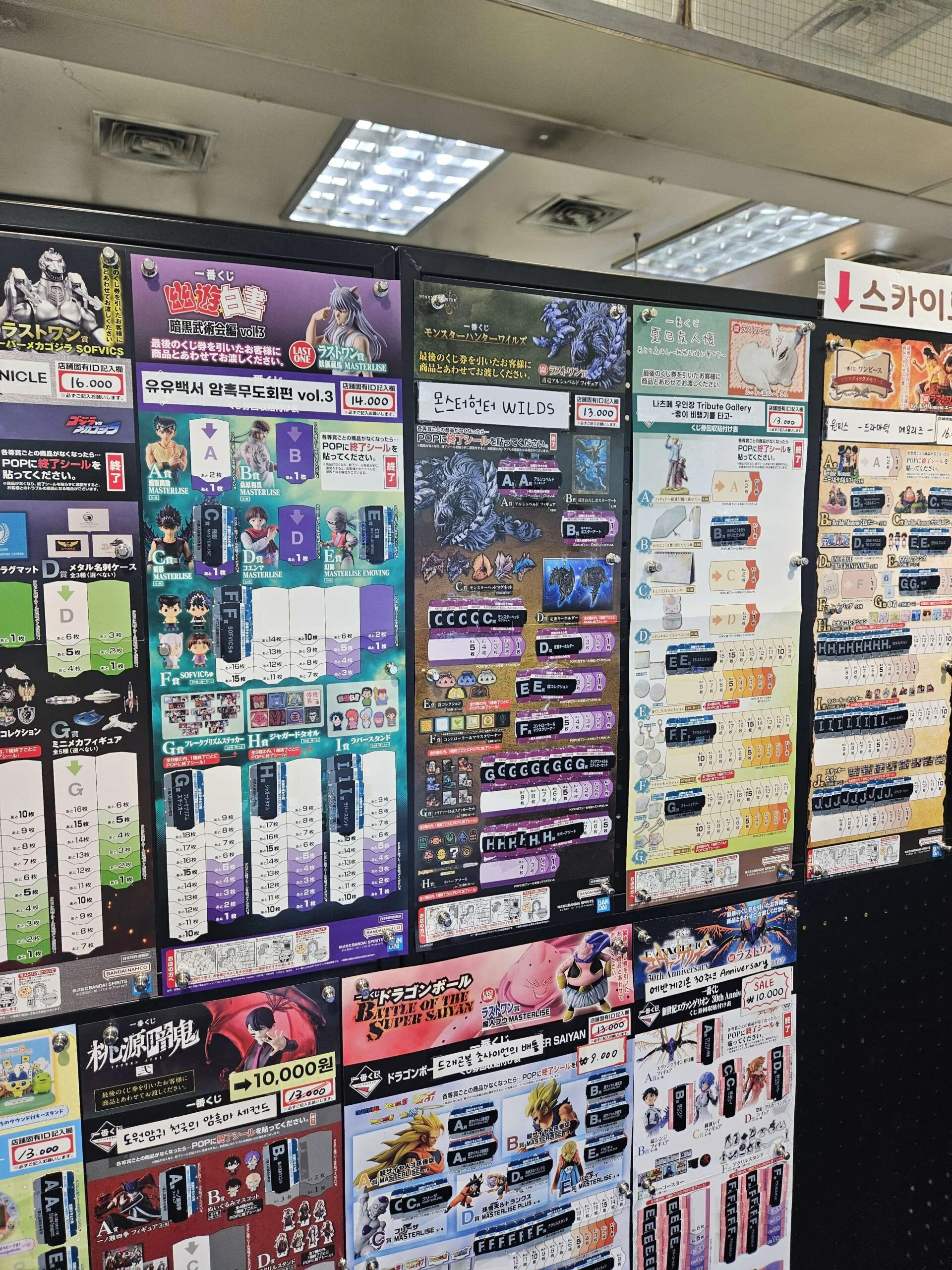
If you’ve never done kuji before, the concept is simple but addictive: you pay a fixed price (usually 1,000–1,500 won per pull), draw a numbered ticket, and you’re guaranteed a prize from the displayed prize pool. No “you got nothing” disappointments — every pull wins something.

photo

The prize tiers are usually:

photo

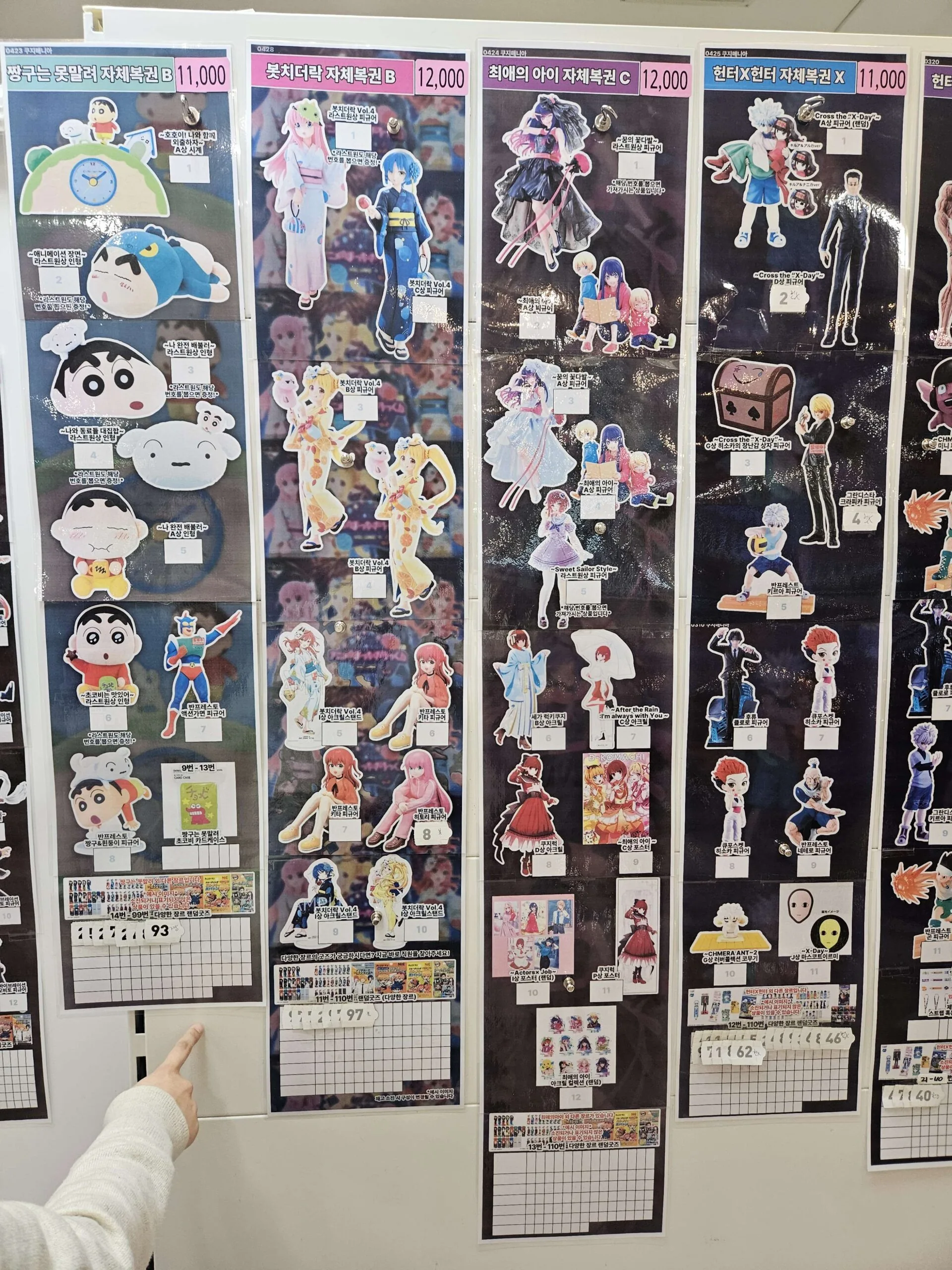
The full prize pool is displayed right there at the stand, so you can see exactly what you’re pulling for before you commit — some shops even print their own charts for self-made kuji sets.

photo

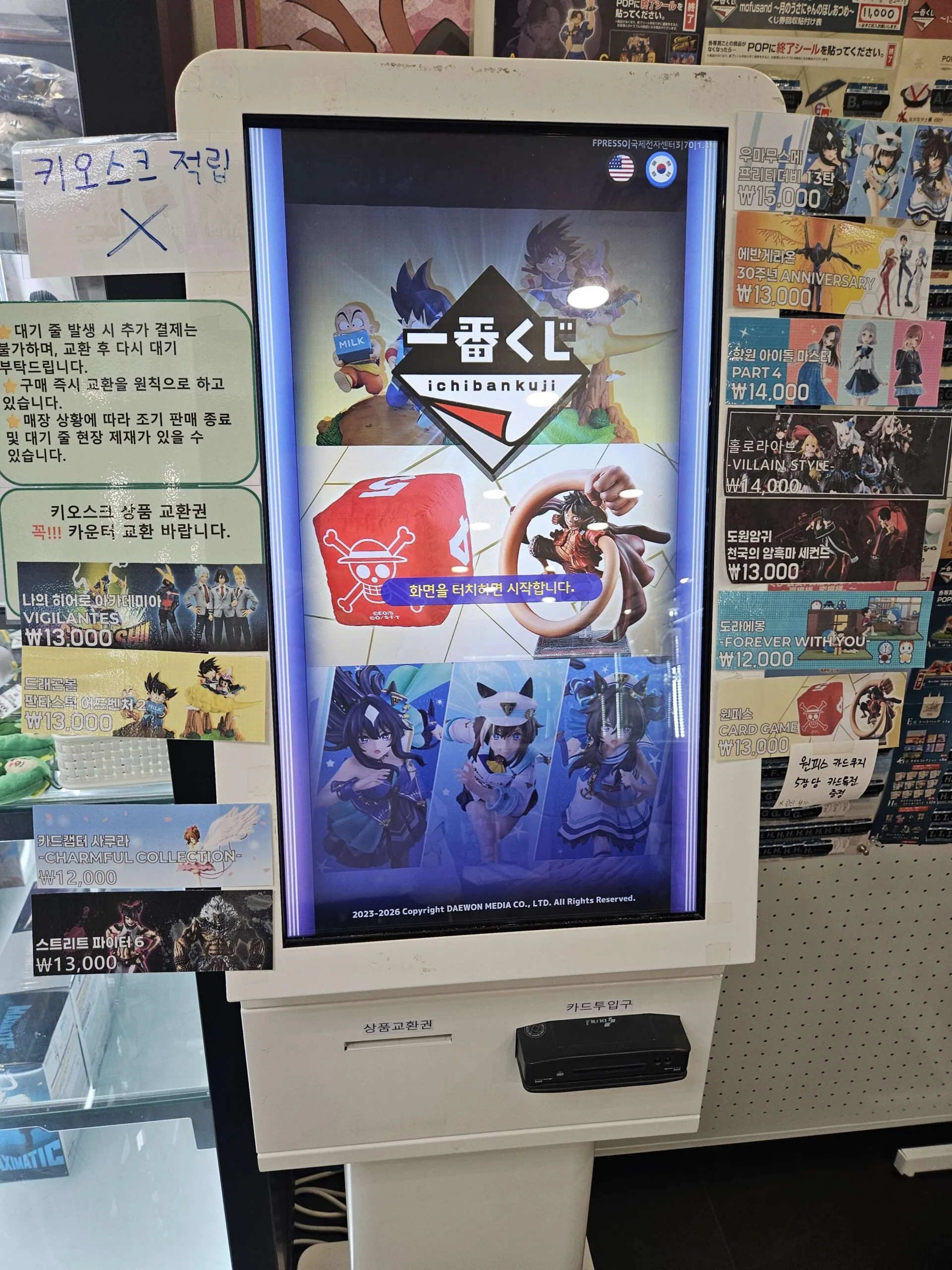
Some shops have automated kiosks for kuji — you scan, pay, and the machine prints your ticket. Fast, no Korean required.

photo

Other shops still run it the old-school way: pay the staff, draw a paper ticket, redeem from the wall. Both are fun, but the old-school version has more drama — the staff often does a little reveal pause when you’re pulling for the top prize.

photo

A handful of shops also make their own kuji sets — local prize pools built around K-pop groups, drama merch, or limited-run figures you won’t find anywhere else.

photo

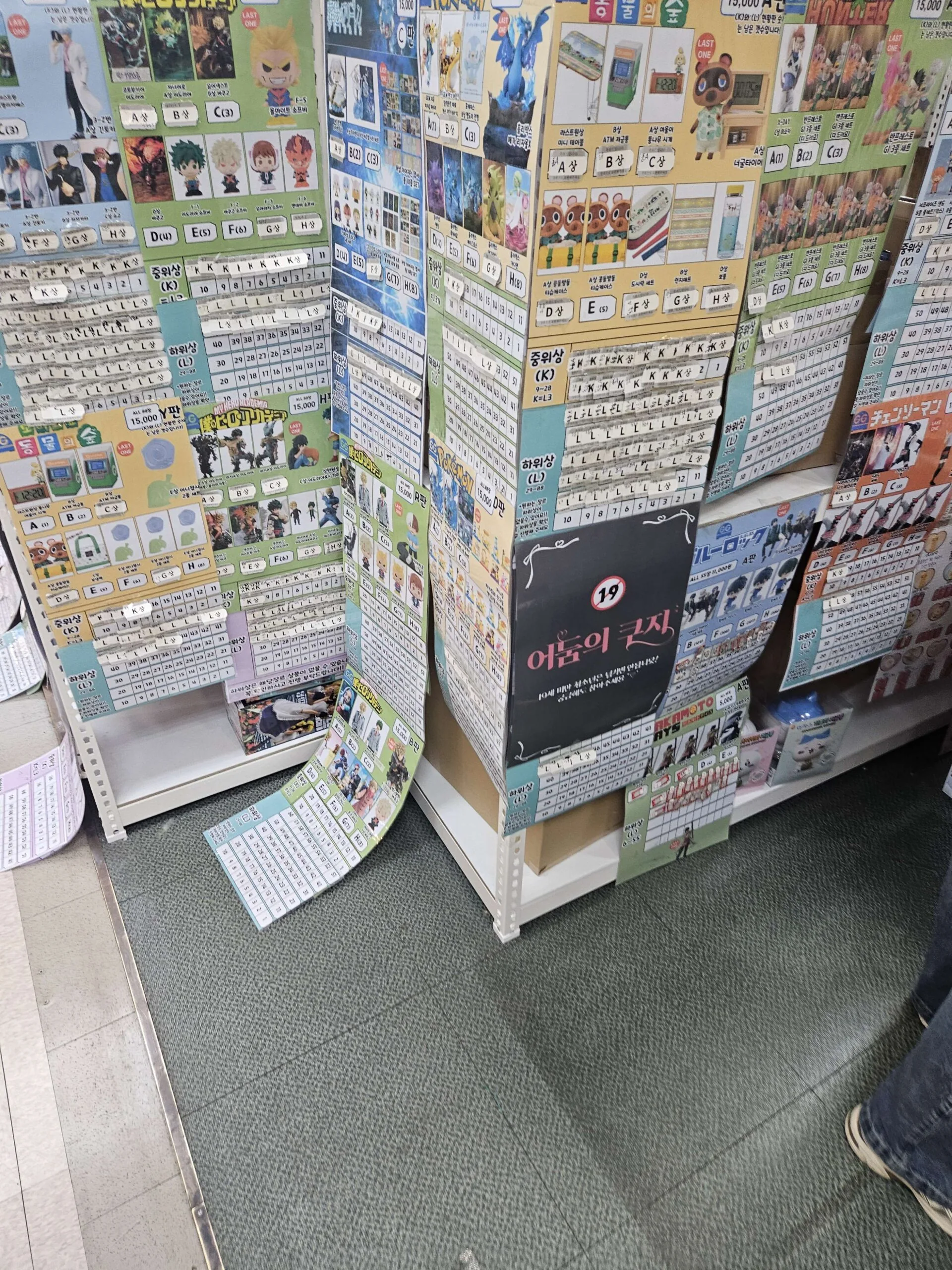
The 19+ kuji (yes, really)

This caught me completely off-guard. Tucked away on one of the upper floors, in a discreet curtained-off corner, I found an adults-only kuji station — a black “어둠의 쿠지” (Kuji of Darkness) stand with a red 19 badge, ID-checked and clearly marked. The prize contents were genuinely inventive — not what I was expecting, and very funny to discover with zero warning.

photo

I have to mention it because nobody else does. If you’re traveling with kids, don’t worry — it’s clearly curtained off and ID-checked. But if you’re an adult who appreciates niche Japanese merch culture, it’s worth a peek for the novelty.


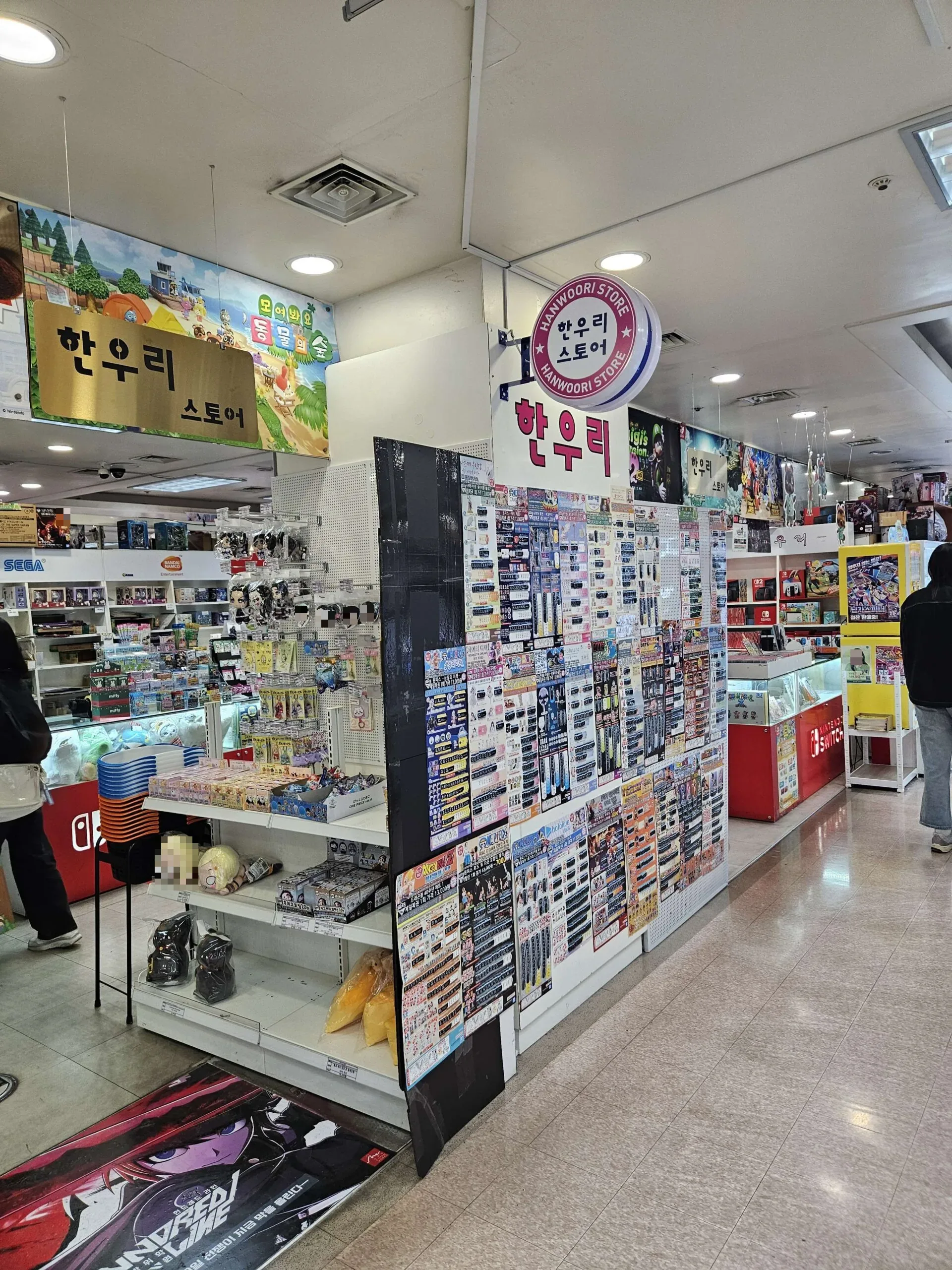
9F Hanwoori (한우리) — the holy grail floor

I’m going to be honest with you: if you only have an hour, skip floors 2–8 and go straight to the 9th floor.

photo

Hanwoori (한우리) takes up most of the ninth floor and it is, by a wide margin, the best shop in the building. Three reasons:

photo

If you’re looking for gaming peripherals — keyboards, controllers, headsets — this is a must-visit. They run the gacha and kuji as a side business now, but the game-shop DNA is still there.

photo

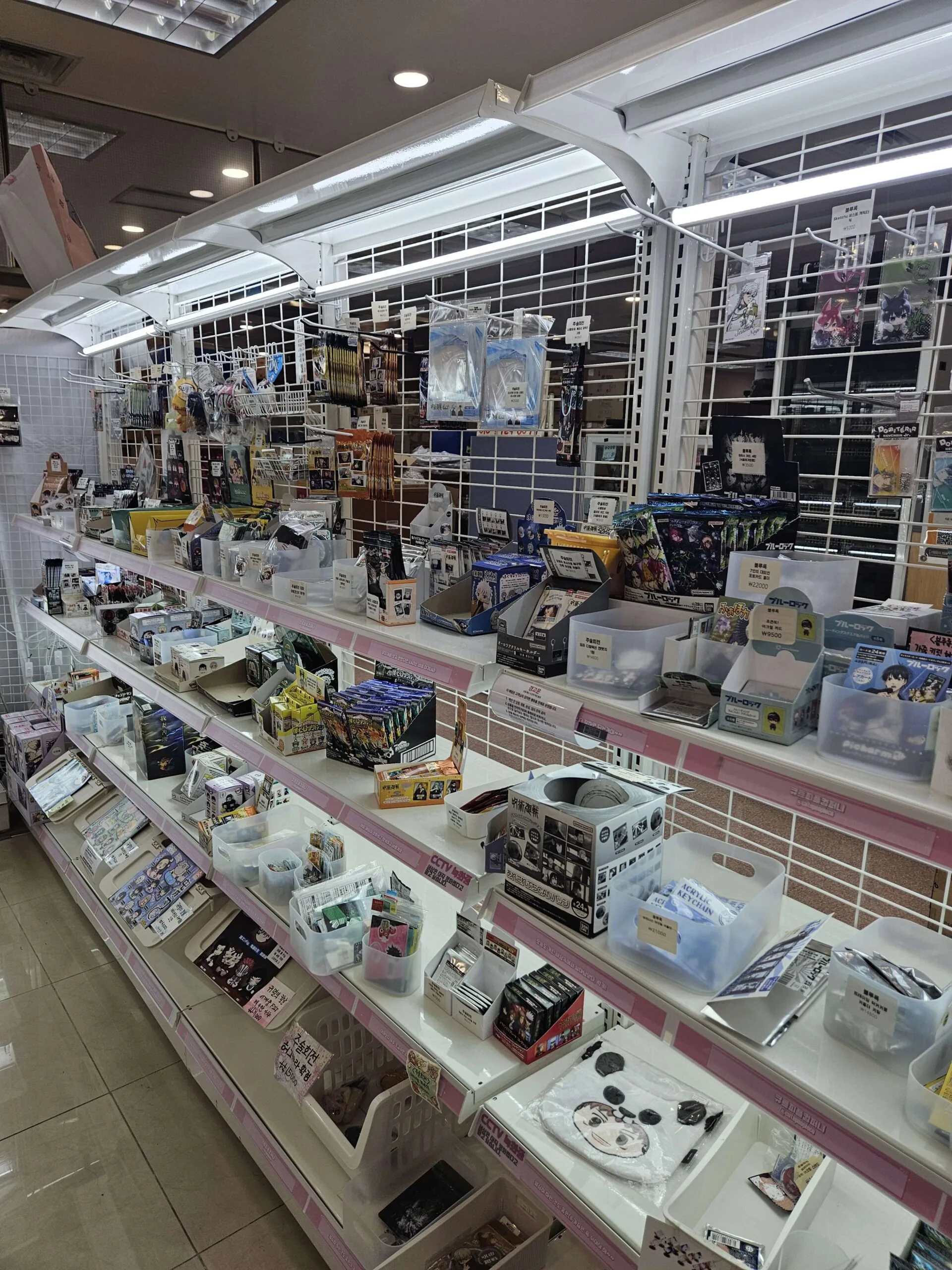
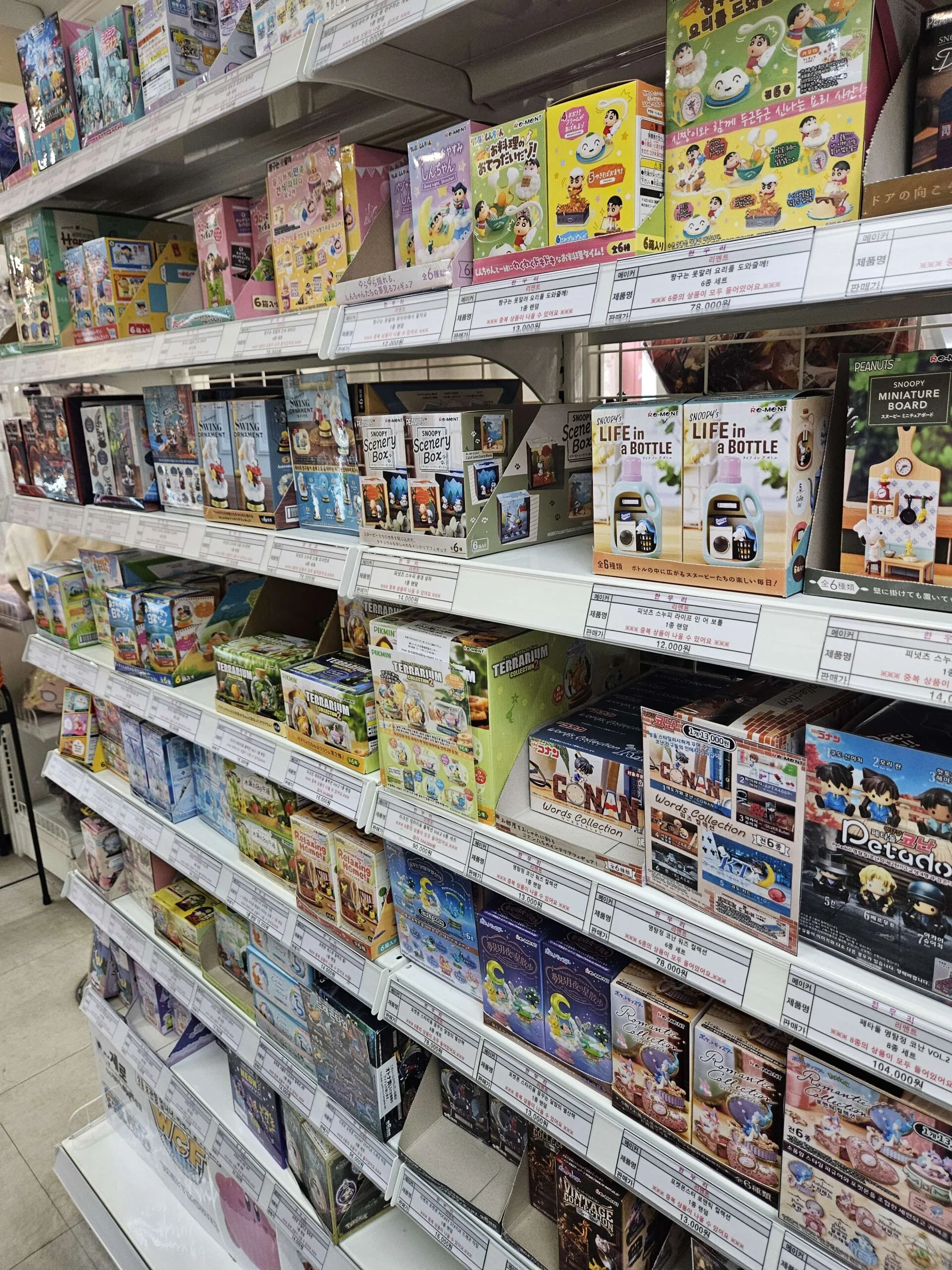
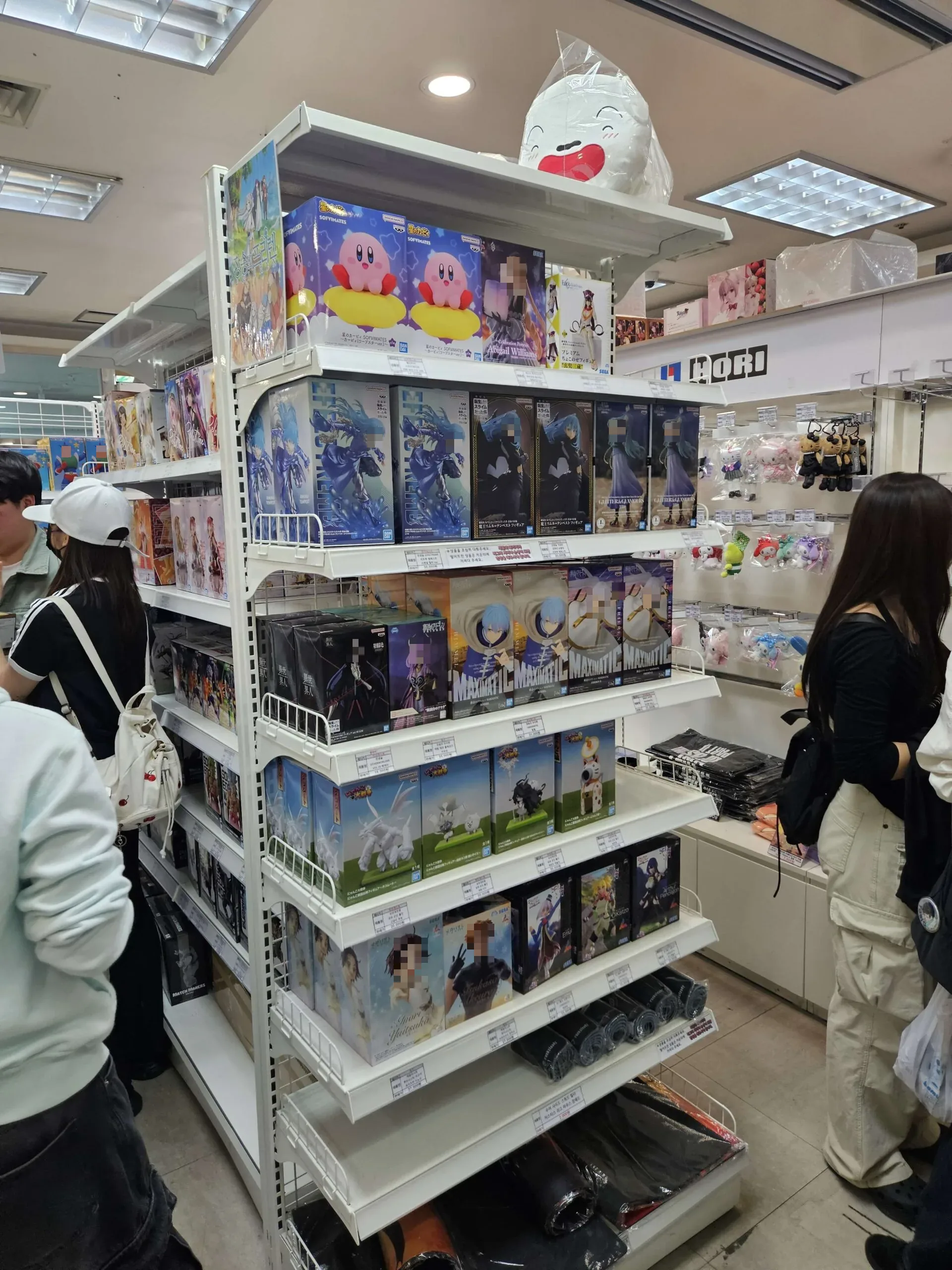
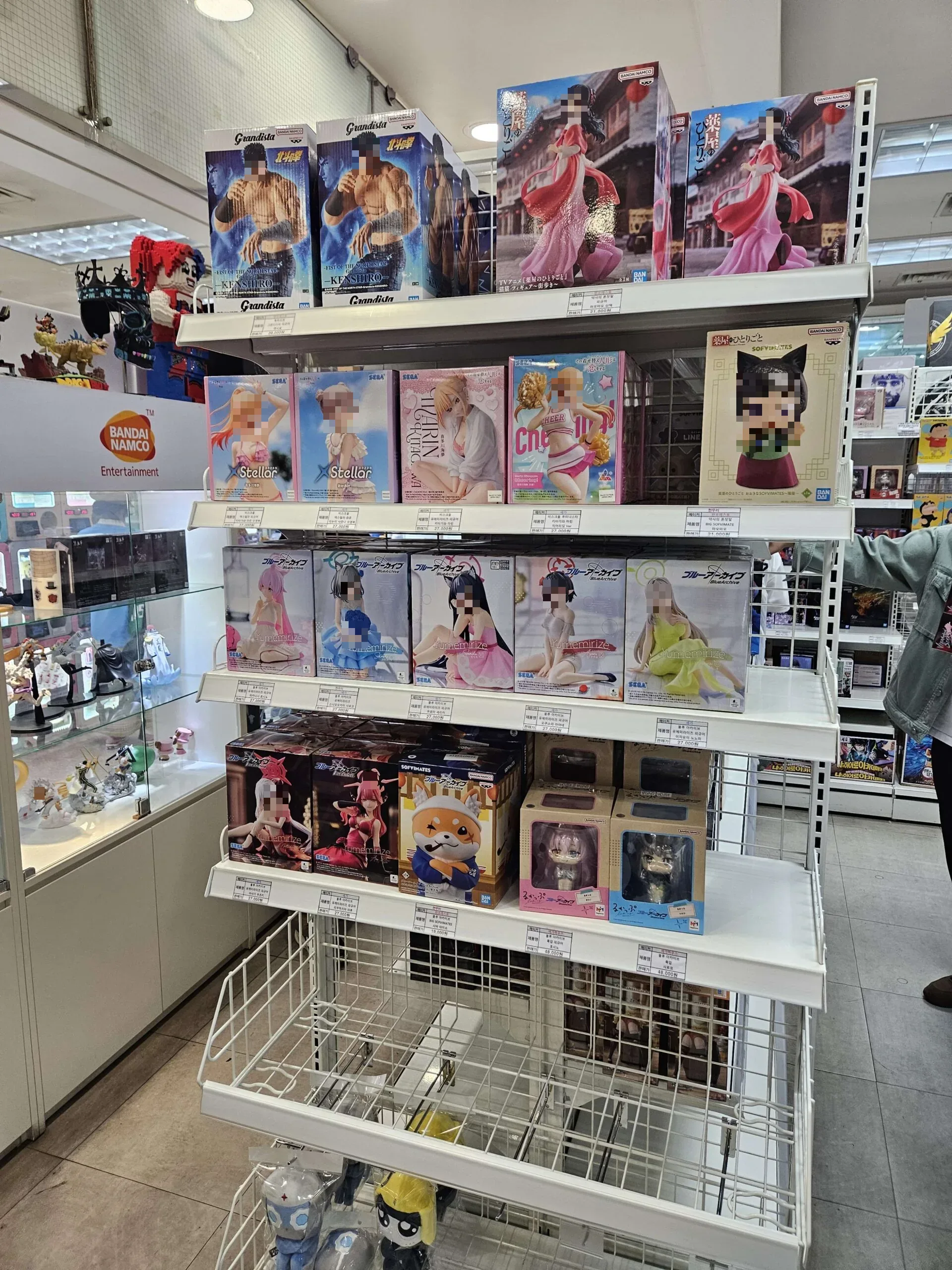
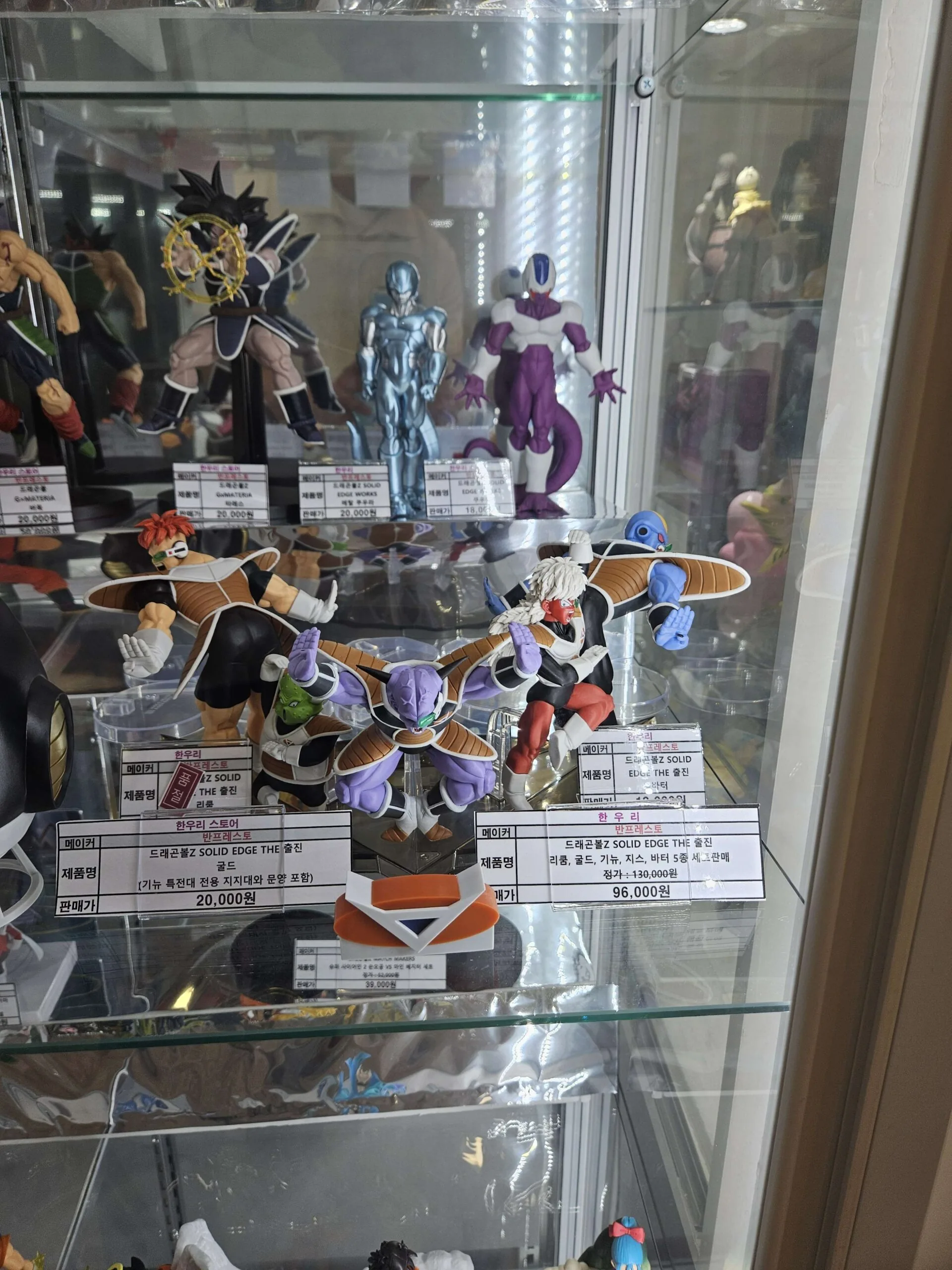
The figure walls here are the deepest in the building — rows of boxed figures, anime IPs stacked floor to ceiling, and turnover fast enough that it’s worth a second look even if you were just here last month.

photo

It also just feels calmer up here — wider aisles, more room to actually browse without bumping elbows.

photo

Finding your “최애” (favorite character)

The Korean word “최애” (chwe-ae) literally means “most loved” — it’s used to describe your favorite character, idol, or bias. Walking through Gukje Electronics Center, you’ll see Korean shoppers methodically scanning shelves looking for their 최애. It’s a whole vibe.

photo

Dragon Ball, One Piece, Demon Slayer, Jujutsu Kaisen, Sanrio, Pokémon, Detective Conan — basically every major anime IP is represented. If you have a favorite, you will find them here.

photo

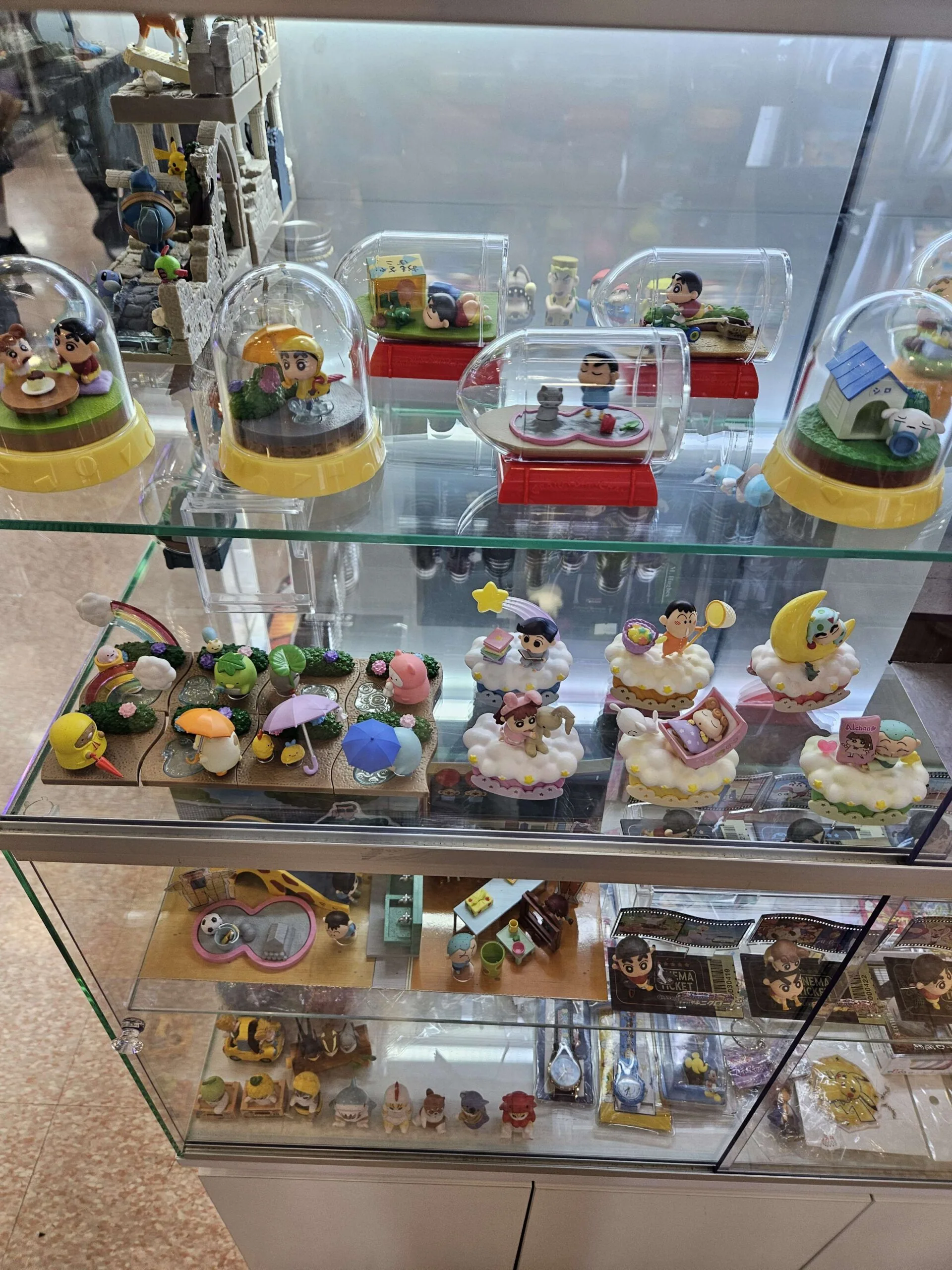
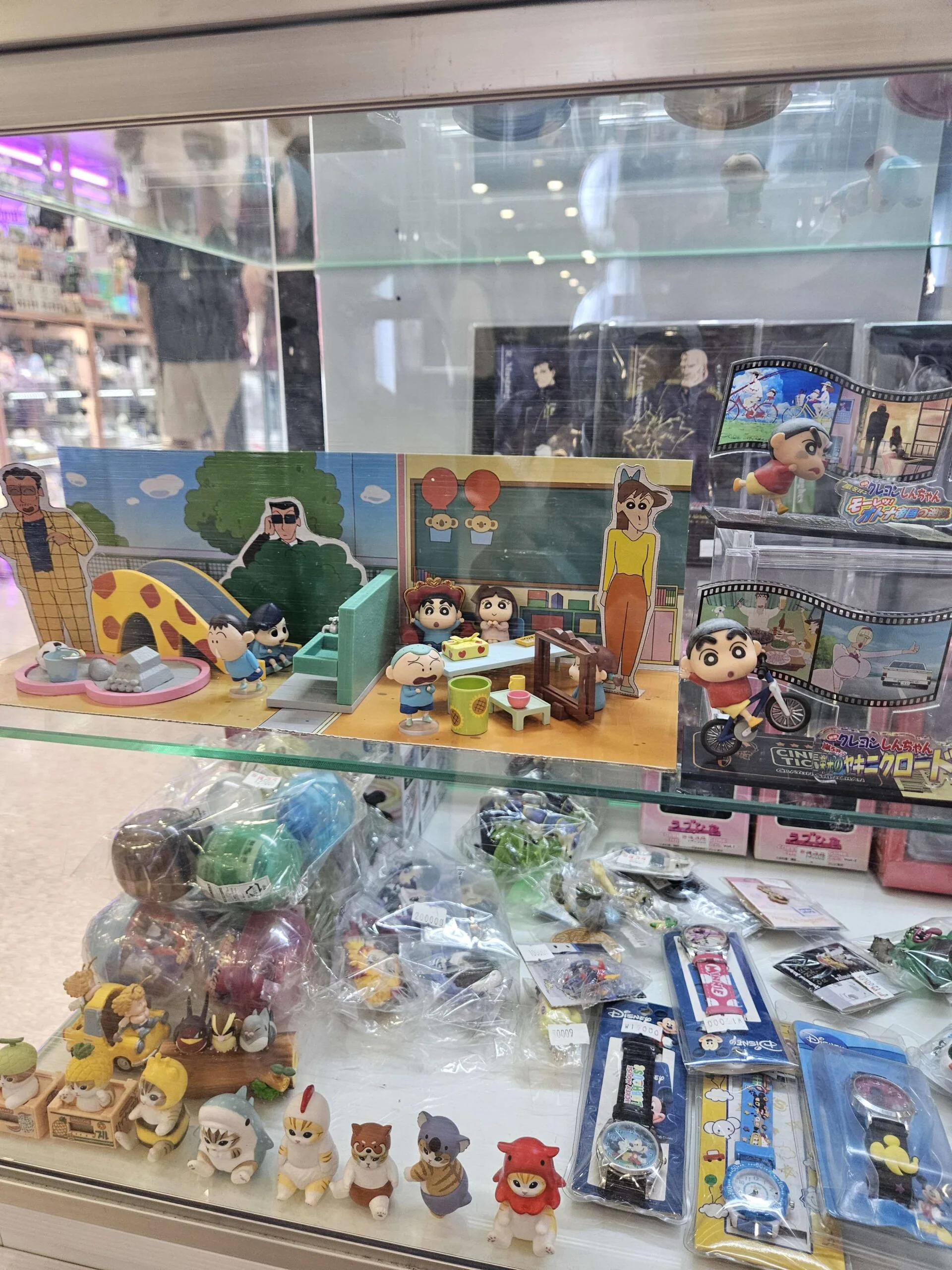
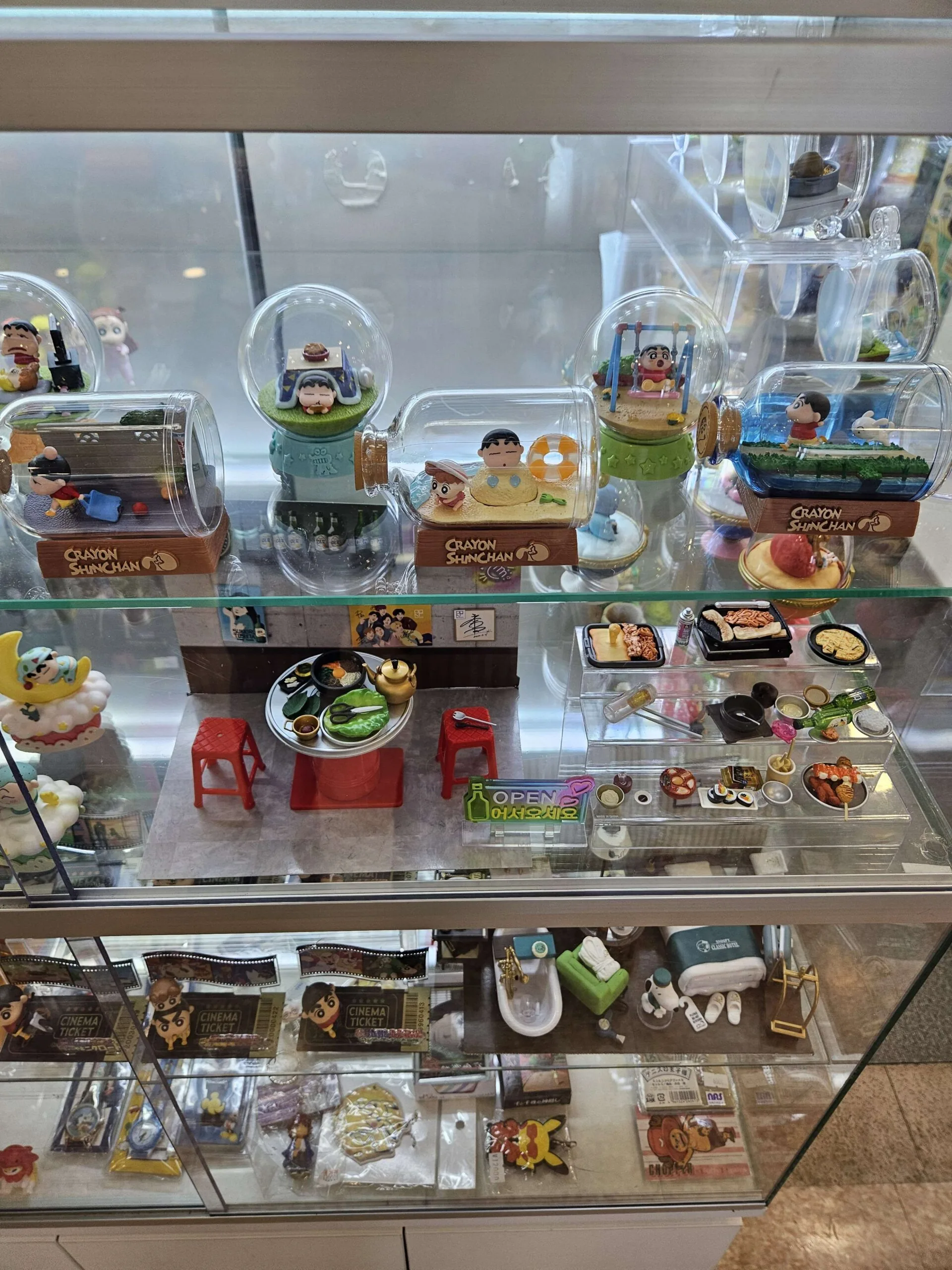
For me it’s Crayon Shin-chan (짱구). And honestly, this building is Shin-chan paradise. I counted at least six different shops with dedicated Shin-chan figures, kuji, and accessories.

photo

And if you don’t have a 최애 yet? Walking these floors is genuinely a fun way to discover one.

photo

Random finds (the fun part)

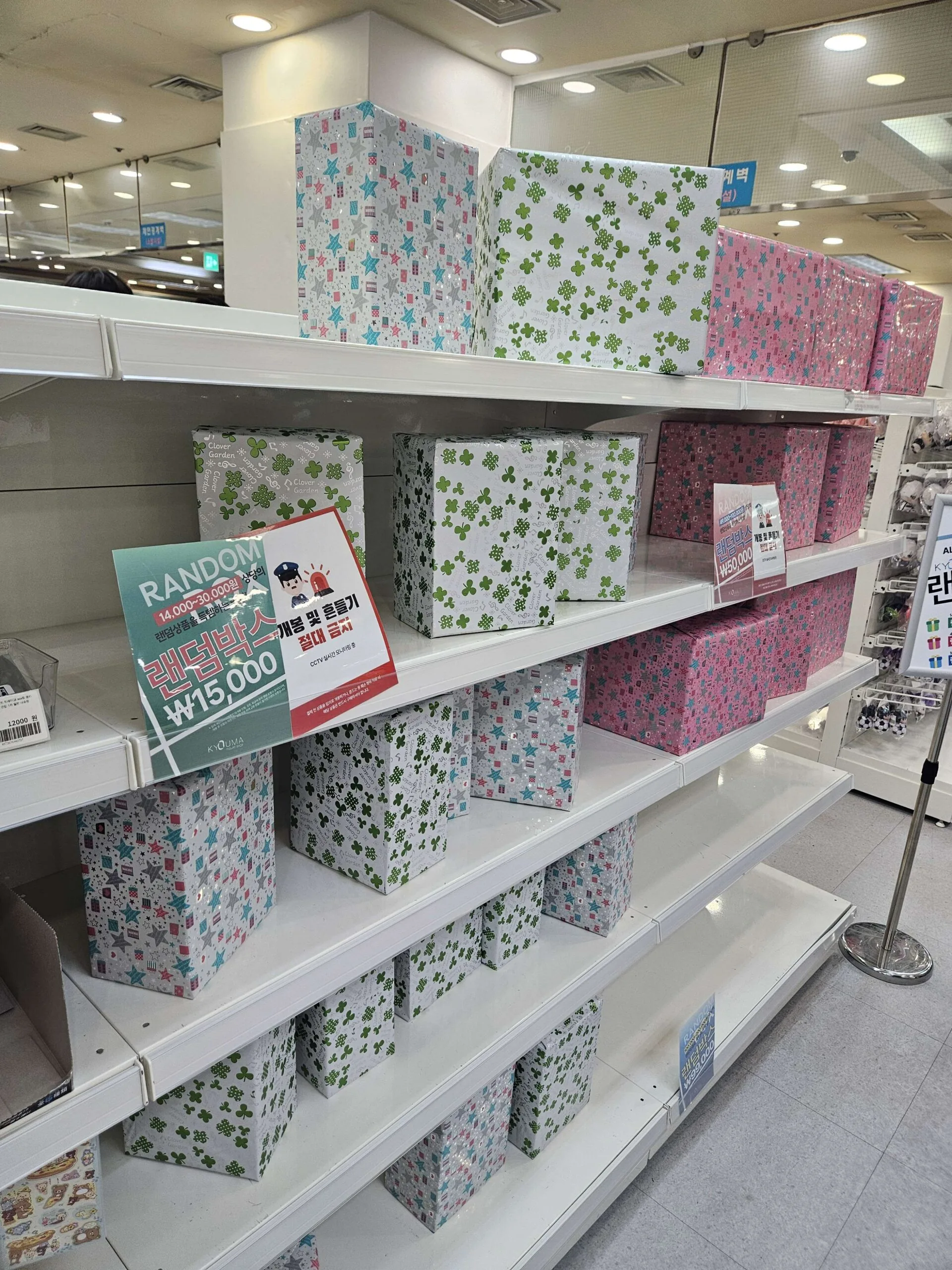
Random mystery boxes were everywhere. ₩5,000–₩15,000, no idea what’s inside. Half the joy is in the unexpected — mystery boxes, novelty figures, regional Korean character merch you’ve never heard of.

photo

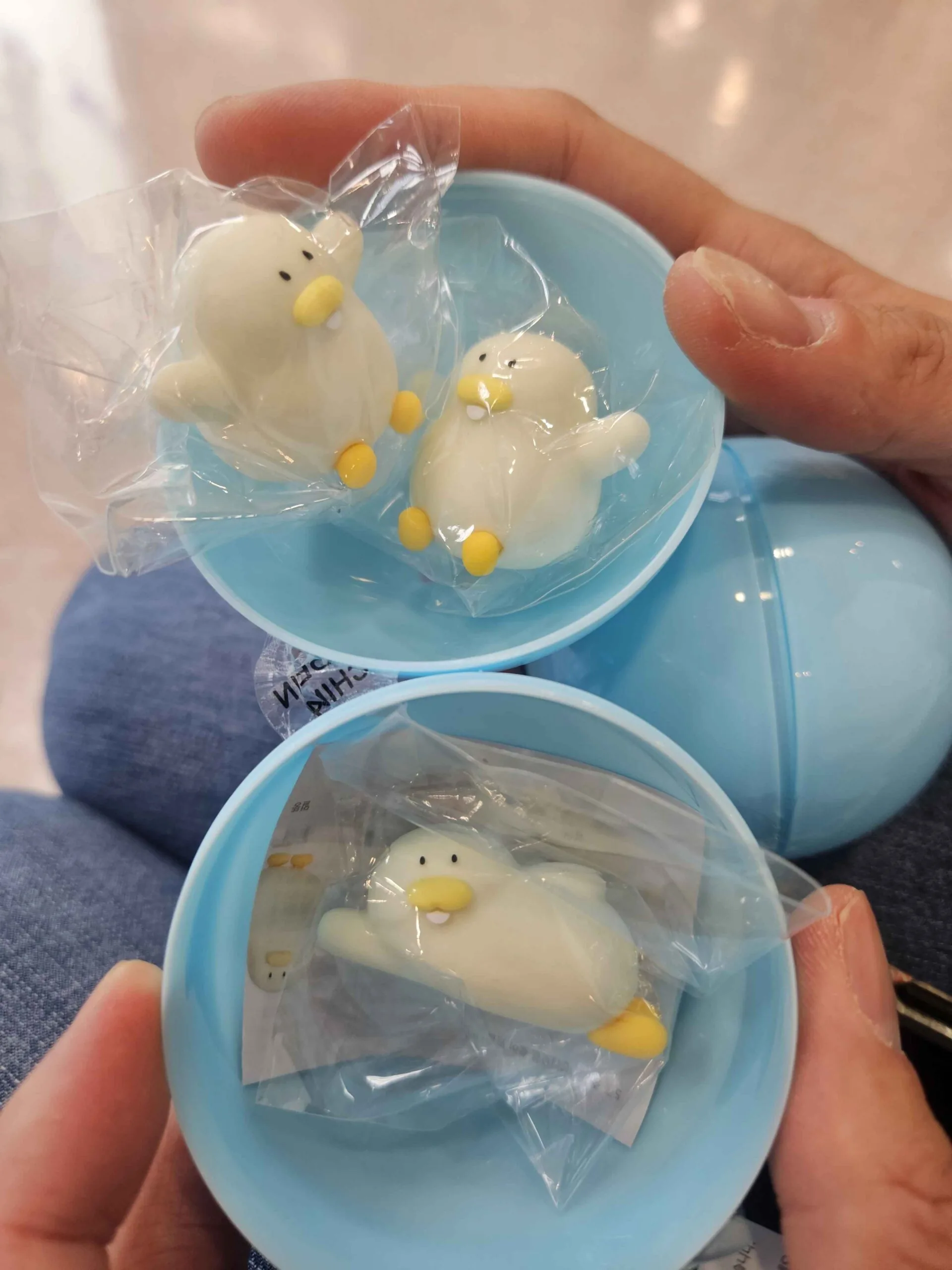
I pulled this little guy — a “cheese duck” figure, ₩4,000 each. No idea what the lore is. He lives on my desk now.

photo

What’s missing (the one honest downside)

💬 My only real complaint? There’s nowhere good to eat nearby.

The neighborhood around the building is mostly commercial — government offices, hospitals, courthouses. Restaurants are sparse, and the ones that exist are forgettable Korean lunch spots aimed at office workers.

My suggestion: eat before you come, or plan to head back toward Gangnam or Itaewon for dinner after. Don’t try to make a meal of it nearby.


Should you go?

If any of these describe you:

Then yes, absolutely. Block off an afternoon, bring your card, eat first, and prepare to lose track of time.

Honestly? Even if you don’t buy a single thing, just walking the floors feels like wandering through a strange, beautiful 90s mall that decided to grow up into something completely different. It’s one of my favorite only-in-Seoul experiences, and almost no Western travel guides mention it.

Find your 최애. Pull one kuji. Take the elevator to the 9th floor. You’ll get it.

— Solyn