📍 Yongyong Seonsaeng, Isu (용용선생 이수점) · Google Maps
📅 Visited: May 2026
💰 Budget: ₩25,000–35,000 per person (~$18–25)
💳 Cards: Yes
🗣 English menu: No (photo menu via QR)
⭐ Worth visiting? Absolutely — broth alone is worth the trip

I used to think 마라탕 (maratang, Sichuan-style spicy hot pot) was all the same.
That sharp, slightly sour broth. The numbing heat that overpowers everything else. I ate it when friends suggested it, enjoyed it fine, but never once thought about it afterward.
Then I tried Yongyong Seonsaeng (용용선생), and now I have a problem.
This is one of those places I’ve been to more times than I can count — sometimes as a first stop for the night, sometimes as a second. It doesn’t matter when you go. It just works.
What I ordered
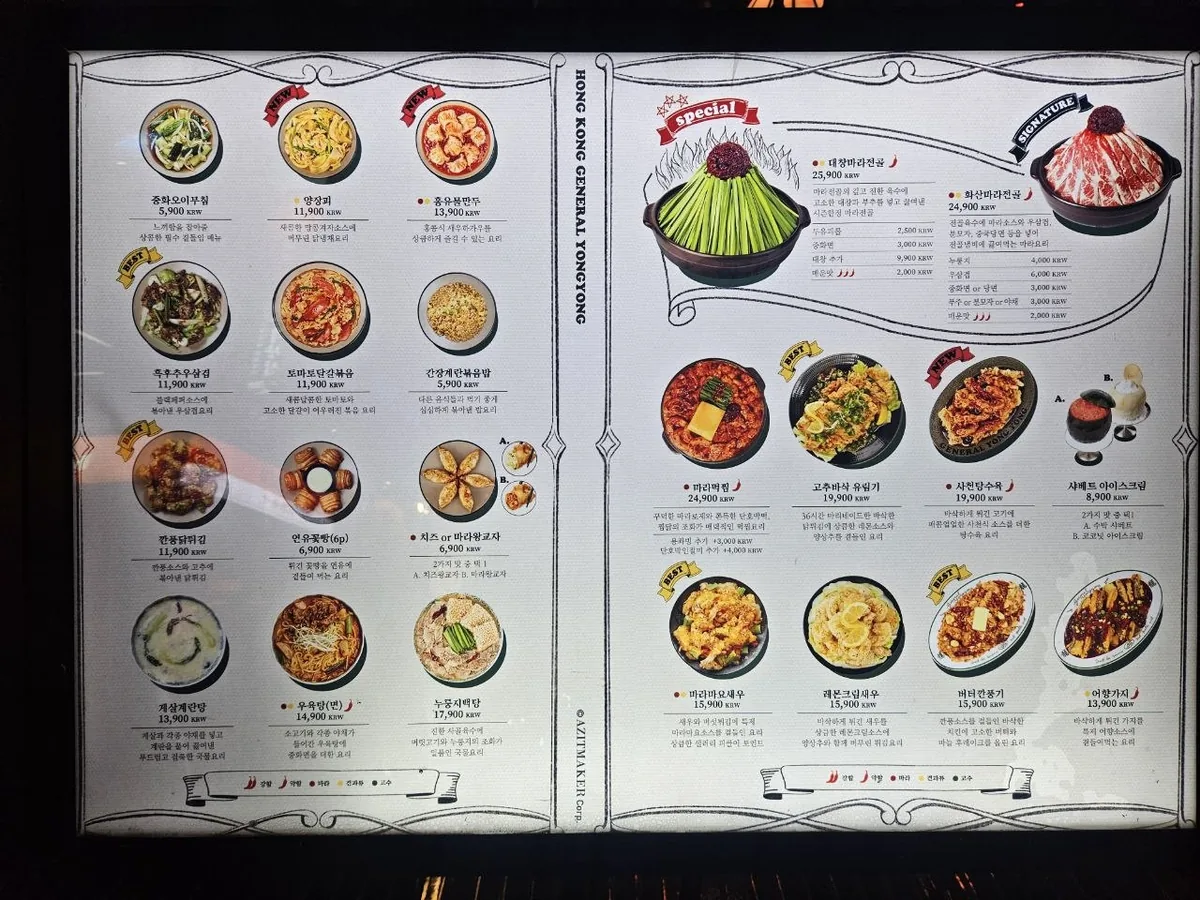
The menu here covers a lot of ground — hotpot, fried dishes, noodles, side dishes.

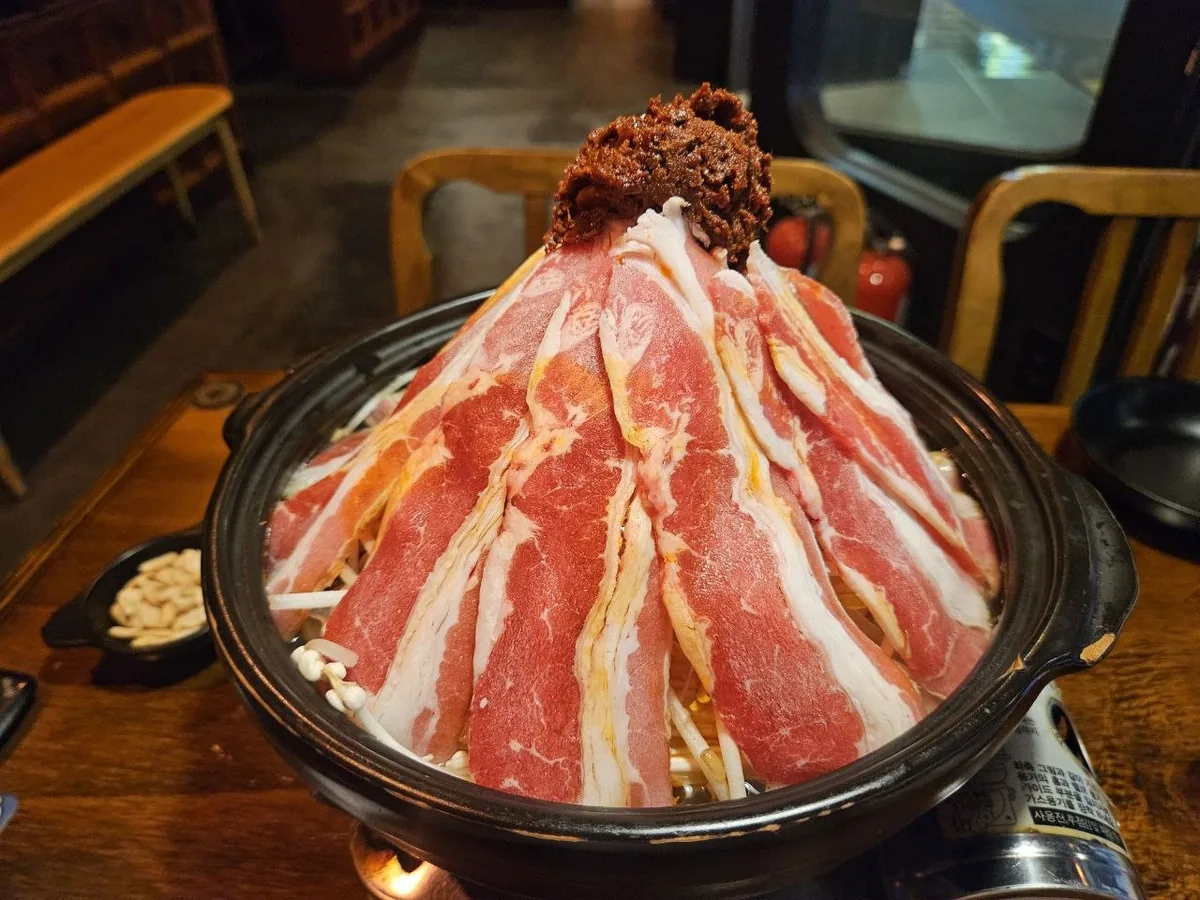
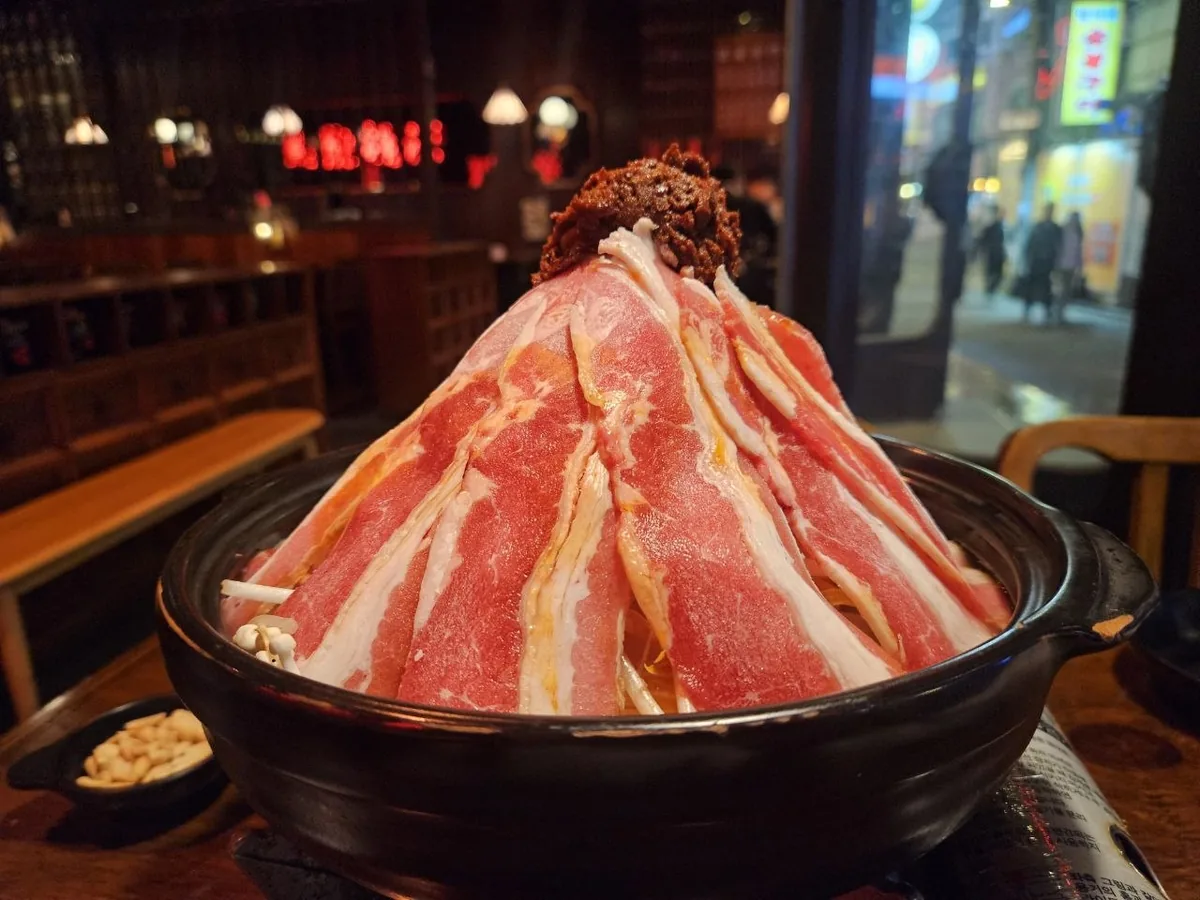
But the thing almost everyone orders is the 화산마라전골 (hwasan mara jeongol, volcano malatang hot pot, ₩24,900). It’s the signature, and for good reason.

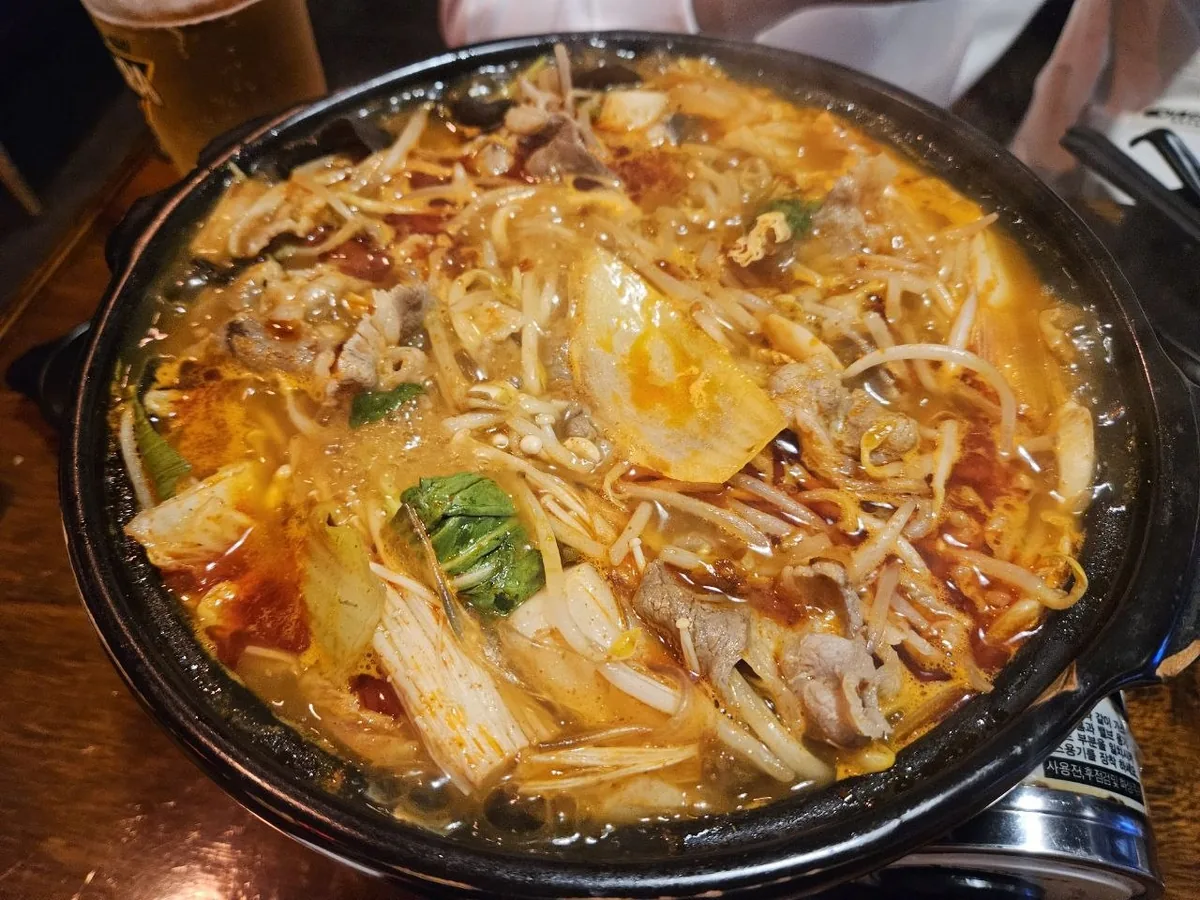
What makes it different from the typical malatang you’ll find everywhere in Seoul? The broth.
Most places use a Sichuan-style base — aggressive, tangy, almost acidic. Yongyong Seonsaeng goes Hong Kong/Cantonese. Deep, rich, and savory without that sharp edge. Umami first, heat second. You take one sip and it just settles in a way that makes you want another sip immediately.
When the pot arrives before you turn on the burner, the sheer amount of ingredients already inside is impressive.

Meat, vegetables, tofu — everything sitting in that deep reddish broth. Visually it looks almost too full to fit in the pot. It’s not.
You watch it start to bubble. The steam hits you first — that warm, slightly smoky, deeply spiced smell that makes your mouth water even if you just ate.
After a few minutes, the broth darkens and thickens slightly. That’s the moment. That’s when you know it’s ready.

I always add 중화면 (junghamyeon, Chinese-style noodles) at the end. They soak up every last bit of the remaining broth. Genuinely the best part of the whole experience — do not skip this.
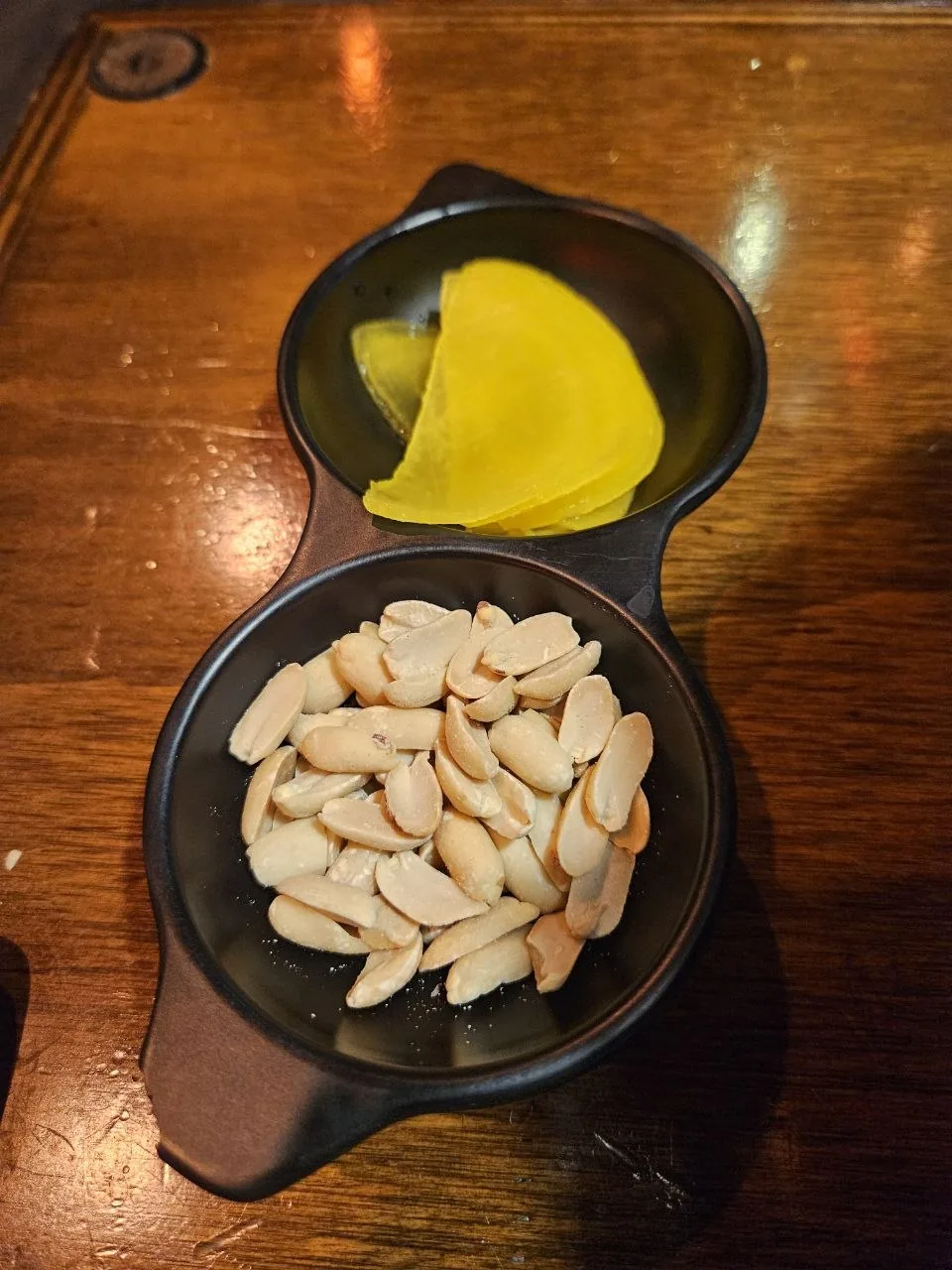
We also got the 기본 안주 (gibon anju, basic complimentary side dish) that comes with the meal.

Nothing fancy. But it fills in the gaps between bites of hotpot nicely, especially when the spice starts building.
If two side dishes feels right, the 옥수수 깐풍기 (oksusu kkangpungi, crispy corn kung pao, ₩16,900) is a solid call. Light, crunchy, and a good contrast to the rich hotpot. The 사천탕수육 (sacheon tangsuyuk, Sichuan sweet and sour pork, ₩19,900) is equally worth it if you’re feeling hungrier. One hotpot plus one or two sides is more than enough for two people to leave genuinely full.
The vibe
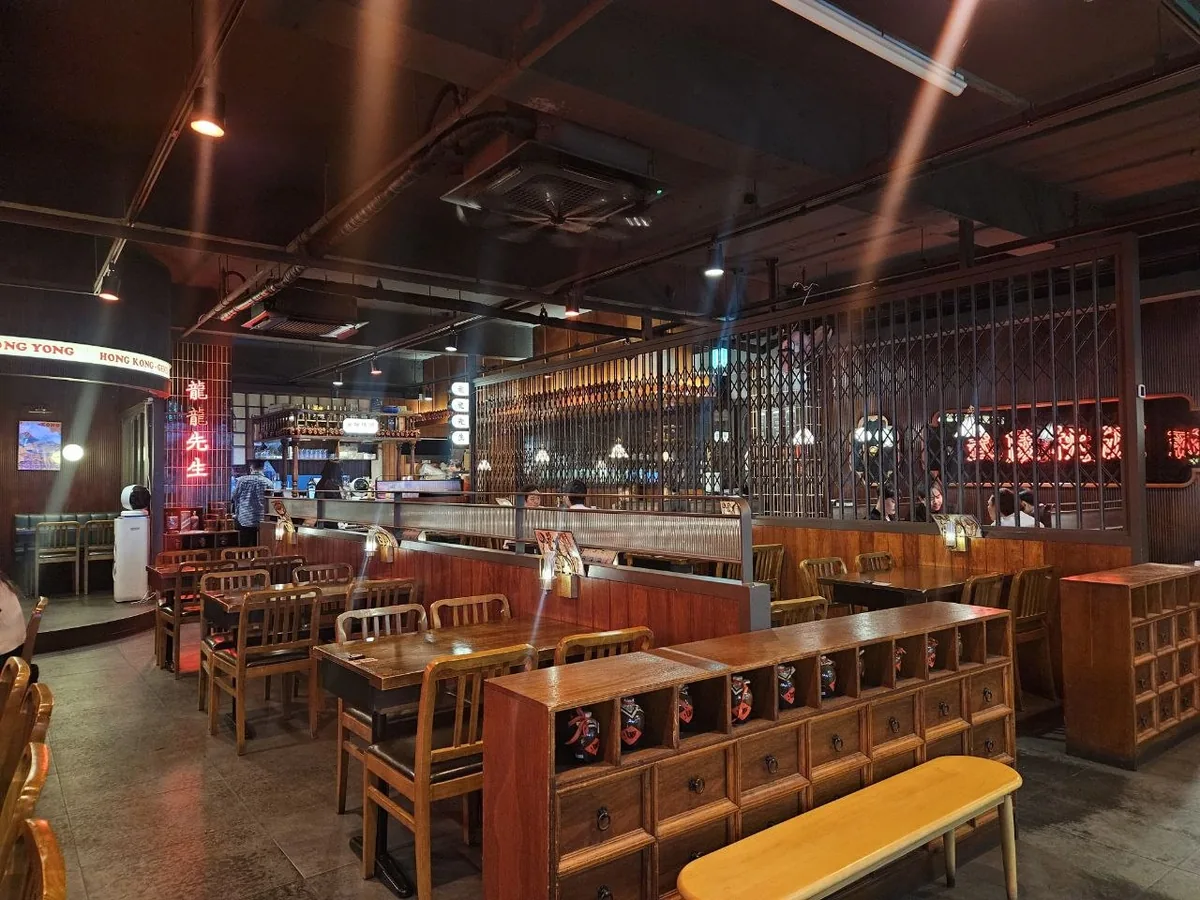
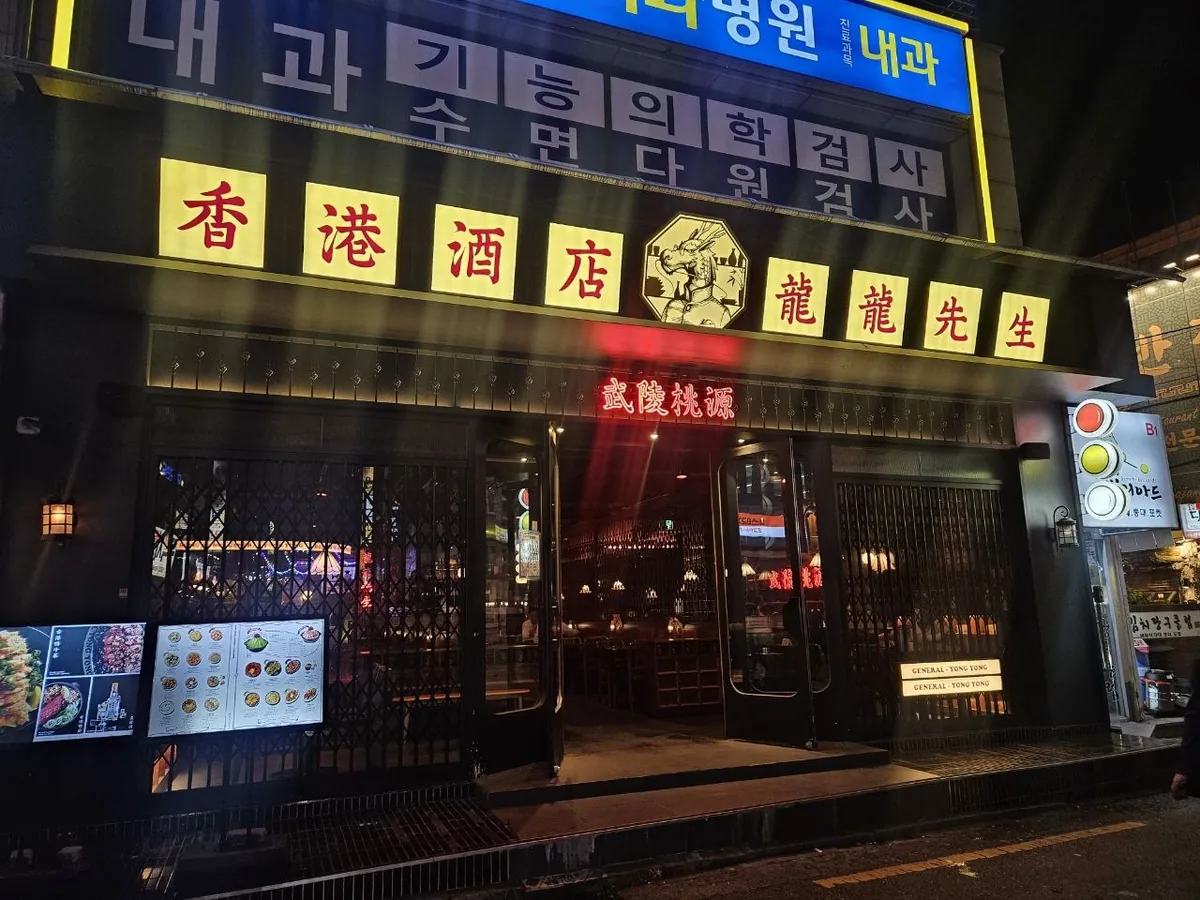
The concept is 1930s Hong Kong back alley — warm lighting, Chinese signage, that slightly worn-in aesthetic that feels more like a neighborhood bar than a chain restaurant.

It’s loud. There’s always a group laughing somewhere, a round of drinks being poured, the sound of five hotpots bubbling at once. I actually love that energy. It’s not the place you go for a quiet dinner. It’s the place you go when you want the night to feel alive.

The beer situation deserves its own paragraph.
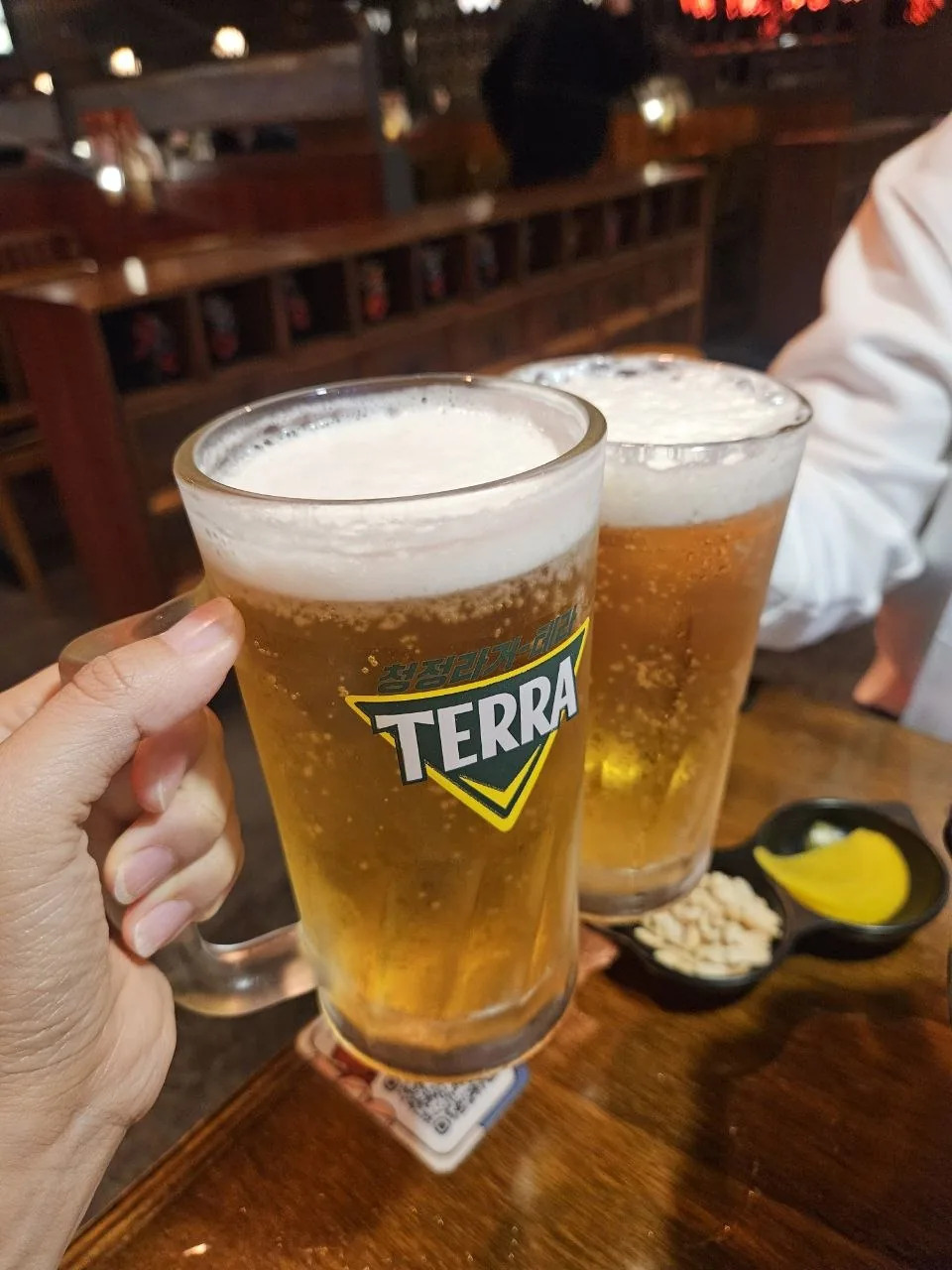
A cold 테라 생맥주 (Tera saengmaekju, Tera draft beer) next to a hot malatang pot is one of those food combinations that just makes no logical sense but works completely. The crispness cuts through the spice. You sip some broth, you sip some beer — and the broth somehow tastes even better than it did before. The calorie math is probably terrifying. The taste? Perfect.
The good
The broth. That’s it. That’s the thing.
I keep coming back to this because it’s the real differentiator. It’s not aggressive. Not trying to overwhelm you. It has that kind of savory depth where you find yourself drinking spoonfuls of it by itself, not just eating the ingredients. And then you add the noodles at the end and it’s almost too good.
The portion size is the other thing. One 화산마라전골 with a couple of sides is genuinely filling for two people. There’s no upsell pressure, no feeling like you have to keep ordering just to feel full. You go in, you eat well, you leave satisfied. That simplicity is underrated.
The not-so-good
The wait on weekends.
Friday and Saturday nights, the line outside gets real. I’ve waited close to 40 minutes on a Saturday after 9 PM. If you’re planning a weekend visit, budget for that or try to get there right when they open at 4 PM.
Weekday evenings are much easier — walk in around 6 or 7 PM and you’re usually seated within 10 minutes.
Things to know before you go
Ordering is done via QR code at the table. Scan, browse the photo menu, submit.
This actually works in your favor if you don’t read Korean — everything has photos, so you can point and click without guessing. No awkward “I’ll have… this one?” moments.
The drinks menu is extensive. Beyond the draft beer options like 타이거 생맥주 (Tiger saengmaekju, Tiger draft beer) that you’ll see on most tables, there are cocktails and various soju-based drinks too. It’s legitimately a bar as much as it’s a restaurant.
Getting there: From 이수역 (Isu Station) on Line 4, take Exit 10. It’s about a 3-minute walk to 이수프라자 (Isu Plaza) — the restaurant is in unit 106 on the ground floor.
Hours: Mon–Thu 5 PM–2 AM · Fri 5 PM–3 AM · Sat 4 PM–3 AM · Sun 4 PM–2 AM
Budget: Plan for ₩25,000–35,000 per person including drinks (~$18–25). Just the hotpot and noodle add-on lands closer to ₩25,000.
Would I come back?
Already planning it.
This is the kind of place that doesn’t need a reason. It’s the default answer when someone says “where should we eat near Isu?” It works as a first stop. It works as a second. It works at 6 PM and it works at midnight.
The 화산마라전골 is the draw. The broth is the reason I keep going back. And the fact that you walk out genuinely full, a little warm from the spice and the beer, for somewhere around ₩30,000 a person? That’s a hard deal to beat anywhere in Seoul.